In recent years, generative AI has gained significant traction in various industries, including technology, healthcare, and entertainment. The field of generative AI focuses on creating machines that can generate content, like text, images, and videos, with human-like quality. Several companies have been at the forefront of this exciting technology. In this article, we’ll take a closer look at some of the top generative AI development companies.
OpenAI: OpenAI is a pioneering organization in the field of generative AI. They have developed models like GPT-3 and GPT-4, which have demonstrated remarkable capabilities in natural language generation. OpenAI has a mission to ensure that artificial general intelligence benefits all of humanity.
LeewayHertz: LeewayHertz is a prominent player in the world of generative AI. They specialize in developing custom AI solutions for various industries, including healthcare, finance, and logistics. Their expertise in creating generative AI models has earned them recognition in the field.
Markovate: Markovate is another noteworthy company in the generative AI space. They offer innovative solutions that leverage generative AI to help businesses enhance customer engagement and automate various processes. Their focus on AI-driven marketing solutions sets them apart.
Google: Google is a tech giant with a strong focus on AI and machine learning. Their research and development efforts in generative AI have led to the creation of models like BERT and T5, which are used for various natural language processing tasks.
Microsoft: Microsoft’s Azure AI platform provides tools and services for generative AI development. They offer pre-trained models and solutions for developers to build upon and integrate into their applications.
IBM: IBM has been a key player in AI development for decades. They offer AI-powered solutions for businesses, including generative AI technologies for natural language understanding and text generation.
Facebook: Facebook has invested in AI research and development, leading to innovations in generative AI. They have been active in areas such as computer vision and natural language processing.
Adobe: Adobe is known for its creative software, and they have incorporated generative AI into their products, allowing users to enhance their creative projects with AI-generated content.
Salesforce: Salesforce has integrated generative AI into its CRM platform, enabling businesses to automate and personalize customer interactions using AI-generated insights and responses.
AI21 Labs: AI21 Labs is a startup that focuses on creating advanced natural language generation models. They have developed Wordtune, a writing assistant powered by generative AI.
In conclusion, the landscape of generative AI is continuously evolving, and these top generative AI development companies play a pivotal role in shaping the future of technology. From OpenAI’s groundbreaking language models to emerging innovators like LeewayHertz and Markovate, these companies drive progress and foster innovation in generative AI. As we move forward, we can anticipate even more remarkable advancements, reaffirming their status as the top generative AI development companies of our time.
In today’s digital age, privacy and security have become paramount concerns for individuals and businesses alike. As more of our personal and sensitive information is shared online, the need to protect our data has never been greater. One effective way to enhance your online privacy is by creating your private LLM (Local Area Network Mail Server). This article will guide you through the process of building your private LLM, allowing you to take control of your email communication and data security.
What is a Private LLM?
A Local Area Network Mail Server, often referred to as a private LLM, is a dedicated server that manages email communications within a local network. Unlike using third-party email providers, hosting your LLM gives you full control over your email infrastructure, ensuring that your data remains private and secure. Here are some of the key advantages of building a private LLM:
Enhanced Privacy
With a private LLM, you can be confident that your email communications are not subject to the data-mining practices of third-party email providers. Your emails are stored on your own server, and you decide who has access to them.
Increased Security
Third-party email providers are vulnerable to data breaches, and your sensitive information can be at risk. By managing your LLM, you can implement robust security measures and stay in control of your email security.
Customization and Flexibility
Building your private LLM allows you to tailor your email system to your specific needs. You can choose the hardware, software, and configurations that suit your requirements.
Cost-Efficiency
While setting up a private LLM may require an initial investment, it can be cost-effective in the long run, as you won’t have to pay monthly fees for email services.
Building Your Private LLM
Now that you understand the benefits of having your private LLM let’s dive into the steps to build one.
Step 1: Choose the Right Hardware
Selecting the appropriate hardware is the first and crucial step in building your LLM. Your hardware should be reliable, scalable, and energy-efficient. You will need a server computer, preferably one with redundant components to ensure high availability.
Step 2: Install Operating System and Software
Next, you need to install the operating system and email server software on your server. Linux-based operating systems, such as Ubuntu Server or CentOS, are popular choices for LLMs due to their stability and security features. Popular email server software options include Postfix, Exim, and Dovecot. Choose the software that aligns with your preferences and needs.
Step 3: Configure DNS
To ensure that your email server is reachable on the internet, you must configure your domain’s DNS settings. This involves setting up the necessary DNS records like MX (Mail Exchanger) records to route incoming emails to your server. You may also want to set up SPF (Sender Policy Framework) and DKIM (DomainKeys Identified Mail) records for enhanced email security.
Step 4: Security and Authentication
Security is a paramount concern when running your email server. You should configure firewalls, intrusion detection systems, and regularly update your server’s software to protect it from potential threats. Implement secure authentication methods, such as SSL/TLS encryption, to safeguard your email communications.
Step 5: User Management
Set up email accounts for your users, and create a system for managing these accounts. You can use popular email clients like Thunderbird, Microsoft Outlook, or web-based options like Roundcube or SquirrelMail for accessing emails.
Step 6: Spam Filtering
Email spam can be a significant annoyance and security risk. Implement effective spam filtering solutions to keep unwanted messages out of your inbox. Popular spam filters like SpamAssassin can be configured to suit your preferences.
Step 7: Backups and Redundancy
Ensure that you regularly back up your email server’s data to prevent data loss. Implement redundancy measures, such as RAID configurations, to maintain high availability and reliability.
Step 8: Testing and Troubleshooting
Before making your private LLM live for your entire network, test the system thoroughly. Send and receive test emails, check the server’s performance, and resolve any issues that may arise during testing.
Step 9: Final Deployment
Once you are satisfied with the testing phase, you can deploy your private LLM for use across your local network.
Maintaining Your Private LLM
After building your private LLM, ongoing maintenance is crucial to ensure its functionality and security. Regularly update your server’s software to patch security vulnerabilities and improve performance. Monitor server logs for unusual activity and automate system backups for data preservation. It’s also a good practice to keep yourself updated on the latest email security best practices and implement them as needed.
Conclusion
Building your private LLM is a significant step towards enhancing your online privacy and data security. By following the steps outlined in this guide, you can establish full control over your email communications and protect your sensitive information from third-party data mining and potential breaches. While the process may seem daunting at first, the benefits far outweigh the initial effort and investment, offering a secure and private email experience for you and your network. Take the leap and build your private LLM today to enjoy the peace of mind that comes with having full control over your email communications.
Artificial Intelligence (AI) has come a long way in recent years, with powerful language models like GPT-3 and GPT-4 capable of performing a wide range of tasks. However, the key to unlocking their full potential lies in the art of prompt engineering. In this article, we will explore what prompt engineering is, its importance, and how to craft effective queries for AI systems.
What is Prompt Engineering?
Prompt engineering, in the context of AI, refers to the process of designing and refining the prompts, queries, or instructions given to AI models to produce desired outputs. These outputs can include generating text, answering questions, translating languages, summarizing content, and much more. Prompt engineering is crucial because it directly influences the quality and relevance of the AI model’s responses.
The core idea behind prompt engineering is to provide AI models with clear and well-structured inputs, which guide them to produce the desired results. By carefully crafting prompts, users can harness the capabilities of AI systems to solve specific problems, making them incredibly versatile tools across various domains.
The Importance of Effective Prompts
The quality of prompts plays a pivotal role in determining the utility of AI systems. Here are some reasons why effective prompt engineering is essential:
1. Precision and Relevance
Well-crafted prompts help AI models understand the user’s intent and context, enabling them to generate more precise and relevant responses. For example, when querying a language model about a specific topic, a carefully constructed prompt can ensure that the generated content aligns with the desired subject matter.
2. Improved Efficiency
Effective prompts can significantly improve the efficiency of AI systems. They help narrow down the scope of the task, reducing the need for extensive post-processing or filtering of the generated output. This results in faster and more accurate results.
3. Problem-Specific Solutions
Prompt engineering allows AI models to be tailored for specific tasks. By providing clear instructions, users can guide the AI to solve unique problems, making AI systems versatile tools across various domains, from content creation to data analysis.
4. Ethical Considerations
Clear and responsible prompt engineering is essential to ensure ethical AI use. Well-designed prompts can help prevent AI models from generating harmful or biased content, thus promoting responsible AI deployment.
Crafting Effective Queries for AI
Now that we understand the significance of prompt engineering, let’s explore how to craft effective queries for AI:
1. Be Clear and Specific
When formulating prompts, clarity is key. Make your instructions explicit and specific. If you have a particular question or topic in mind, state it clearly in the prompt. Avoid vague language or open-ended questions that may lead to ambiguous responses.
2. Use Contextual Information
Provide relevant context to the AI model. This can include background information, constraints, or criteria that the AI should consider when generating responses. Context helps the AI understand the task better and produce more contextually accurate results.
3. Experiment and Iterate
Prompt engineering is as much an art as it is a science. It often requires experimentation and iteration to find the most effective query. Start with a basic prompt, assess the results, and refine the prompt as necessary. Continue this process until you achieve the desired outcome.
4. Test for Robustness
Ensure that your prompts are robust and can handle different scenarios. Test your prompts with varying inputs to see how the AI model responds. Robust prompts are versatile and can handle a wide range of related questions or tasks.
5. Consider Ethical Implications
Be mindful of the ethical considerations when crafting prompts. Avoid instructing AI models to produce biased, discriminatory, or harmful content. Responsible prompt engineering plays a crucial role in ensuring the ethical use of AI.
6. Collaborate with Experts
In cases where the prompt requires domain-specific knowledge, consider collaborating with experts in that field. Their insights can help you create more effective prompts and obtain higher-quality results.
Real-World Applications of Prompt Engineering
Prompt engineering finds applications in various domains, including:
1. Content Generation
Writers and content creators use prompt engineering to generate articles, stories, and other textual content. Effective prompts can assist in producing high-quality, informative, and engaging material.
2. Data Analysis
Data scientists use prompt engineering to query AI models for data analysis and visualization. Well-crafted prompts can help extract valuable insights from large datasets.
3. Language Translation
In language translation tasks, prompts play a vital role in ensuring accurate and contextually relevant translations. Clear instructions help AI models provide precise language conversions.
4. Education and E-Learning
Prompt engineering is used in the development of AI-powered educational tools. It assists in creating tailored content for students, answering questions, and providing explanations.
5. Customer Support
AI chatbots and virtual assistants rely on prompt engineering to understand and respond to customer inquiries effectively. Well-designed prompts can enhance the quality of customer support interactions.
Conclusion
Prompt engineering is the secret sauce that unlocks the full potential of AI systems. Crafting effective queries is not only an art but a crucial skill in harnessing the capabilities of AI models for a wide range of applications. By following the guidelines outlined in this article and being mindful of ethical considerations, you can leverage AI to solve specific problems, make data-driven decisions, and create high-quality content. As AI continues to evolve, mastering the art of prompt engineering will become increasingly valuable in various fields, providing new opportunities for innovation and problem-solving.
In the ever-evolving landscape of artificial intelligence (AI), the advent of transformer models has revolutionized the way we approach natural language processing and machine learning tasks. The introduction of models like BERT, GPT-3, and their variants has demonstrated the remarkable capabilities of transformer architectures. However, the relentless pursuit of innovation has led to the birth of a new star on the AI horizon: the Action Transformer Model. In this article, we’ll explore what an Action Transformer Model is, its significance, and its potential applications.
I. What is an Action Transformer Model?
The Action Transformer Model (ATM) is an extension of the well-known transformer architecture, which has its roots in the breakthrough Attention Is All You Need paper by Vaswani et al. ATM builds upon the original concept of self-attention mechanisms and introduces a critical element—action, a concept commonly associated with sequences of events or operations.
ATM is designed to not only understand text but also to generate and comprehend sequences of actions. This is achieved by incorporating action representations and dynamics into the transformer model. Unlike traditional transformers, ATM focuses on not only the content of a sentence but also the actions that need to be taken based on that sentence, making it particularly suited for tasks requiring both comprehension and action generation.
II. The Significance of Action Transformer Models
The emergence of Action Transformer Models marks a significant step forward in AI research and applications for several reasons:
1. Improved Contextual Understanding
ATMs enhance the contextual understanding of text by taking into account the actions associated with a sequence of words. This allows for more precise comprehension of instructions and a better grasp of context in complex natural language understanding tasks.
2. Dynamic Action Generation
One of the defining features of ATM is its ability to generate dynamic actions. For instance, in a conversational context, ATM can not only understand user queries but also generate appropriate responses or actions, making it an invaluable tool for chatbots and virtual assistants.
3. Multimodal Applications
ATMs are not limited to text alone. They can seamlessly integrate with various modalities, including images, audio, and video. This makes them versatile for a wide range of applications, from vision-and-language tasks to interactive multimedia experiences.
4. Human-AI Interaction
The development of ATMs opens up new horizons for human-AI interaction. These models can understand and respond to natural language input with a level of sophistication that was previously challenging to achieve, making AI more accessible and user-friendly.
5. Reinforcement Learning
In reinforcement learning tasks, ATM can play a pivotal role in improving agent-environment interaction. It can understand and generate actions based on environmental cues, thereby enhancing the learning and decision-making capabilities of AI agents.
III. Potential Applications of Action Transformer Models
The potential applications of Action Transformer Models are vast and promising. Here are some domains where ATM can make a significant impact:
1. Virtual Assistants
ATMs can power virtual assistants to not only understand user queries but also execute tasks or provide recommendations based on the context. This could revolutionize the way we interact with our devices and get things done.
2. Content Generation
In the realm of content generation, ATMs can create dynamic and context-aware narratives, making them invaluable for chatbots, content creators, and creative writing applications.
3. Healthcare
In healthcare, ATM can assist in understanding medical reports and suggesting appropriate actions, potentially improving diagnosis and patient care.
4. Autonomous Systems
For autonomous systems like self-driving cars and drones, ATM can enhance decision-making by processing environmental data and generating real-time actions to ensure safety and efficiency.
5. Education
In the field of education, ATM can offer personalized assistance to students by understanding their queries, offering explanations, and providing additional resources.
6. Gaming
ATMs can be used to create more dynamic and responsive non-player characters (NPCs) in video games, improving the overall gaming experience.
IV. Challenges and Considerations
While the potential of Action Transformer Models is promising, there are several challenges and considerations that researchers and developers need to address:
1. Data and Pretraining
Training ATM models requires massive amounts of data, and pretraining them effectively is crucial. This can be resource-intensive and time-consuming.
2. Action Space
Defining the action space and generating meaningful actions is a non-trivial task. Balancing action diversity and relevance is a key challenge.
3. Ethical and Privacy Concerns
As AI systems become more powerful and integrated into our lives, ethical and privacy concerns become more pressing. It’s essential to ensure responsible use and safeguard against misuse of ATMs.
4. Evaluation Metrics
Developing appropriate evaluation metrics for ATM models, especially in cases where actions are involved, is essential to assess their performance accurately.
V. Conclusion
The advent of Action Transformer Models represents a significant leap forward in the field of artificial intelligence. These models not only understand natural language but can also generate dynamic actions, making them versatile and invaluable for a wide range of applications. As research in this area continues to progress, we can expect ATMs to play a pivotal role in shaping the future of human-AI interaction, making our interactions with technology more intuitive and powerful.
In the journey towards unleashing the full potential of Action Transformer Models, researchers and developers must address various challenges and ensure responsible use. With careful consideration and continued innovation, ATMs could open up new horizons for AI applications across diverse domains, ushering in a new era in AI technology.
In a world where technology is constantly evolving, businesses are always seeking innovative ways to enhance their customer engagement and streamline their operations. One such innovation that has gained significant traction is AI chatbot development. As companies look to leverage the power of artificial intelligence (AI) in their customer service, AI chatbots have emerged as a game-changing solution. In this article, we will explore the world of AI chatbot development, shedding light on the importance of AI chatbot development services and the role of AI chatbot development companies.
The Rise of AI Chatbots
AI chatbots, or simply chatbots, are computer programs designed to simulate human conversation, allowing them to interact with users in a natural and human-like manner. They use natural language processing (NLP) and machine learning to understand and respond to user queries. Over the years, chatbots have become increasingly sophisticated and versatile, finding applications in a wide range of industries, from e-commerce to healthcare.
Why Businesses Need AI Chatbots
The adoption of AI chatbots is driven by several compelling reasons:
24/7 Availability: AI chatbots are available round the clock, providing instant responses to customer inquiries. This continuous support enhances customer satisfaction and can be a valuable asset for businesses serving global markets.
Cost-Efficiency: Implementing AI chatbots can significantly reduce operational costs by automating routine customer interactions. They can handle a large volume of inquiries simultaneously, minimizing the need for human intervention.
Enhanced Customer Experience: Chatbots can provide consistent and personalized interactions with customers. They can remember user preferences and previous interactions, making each engagement feel tailored to the individual.
Data Collection and Analysis: Chatbots can gather valuable customer data and feedback, enabling businesses to gain insights into customer behavior, preferences, and pain points. This data can inform strategic decisions and drive improvements.
AI Chatbot Development Services
AI chatbot development is a complex process that involves designing, training, and deploying chatbots with the ability to understand and respond to natural language. To bring these conversational agents to life, businesses often turn to AI chatbot development services.
Key Components of AI Chatbot Development Services:
Natural Language Processing (NLP): NLP is at the heart of chatbot development. NLP technology enables chatbots to understand and interpret user messages, extracting meaning from text and responding in a coherent and context-aware manner.
Machine Learning Algorithms: Chatbots are trained using machine learning algorithms. They learn from historical data and user interactions to improve their performance over time. The more they interact, the smarter they become.
Customization: AI chatbot development services provide businesses with the flexibility to customize chatbots according to their unique needs. This includes tailoring the chatbot’s personality, tone, and responses to match the brand’s identity.
Integration: Chatbots need to be seamlessly integrated with existing systems and platforms. AI chatbot development services ensure that the chatbot can work with a variety of databases, APIs, and software applications.
Ongoing Maintenance: Chatbots require continuous monitoring and maintenance to ensure their accuracy and effectiveness. AI chatbot development services often include ongoing support to keep the chatbot up to date and responsive.
AI Chatbot Development Companies
The role of AI chatbot development companies is pivotal in bringing AI chatbots to life. These specialized companies are equipped with the expertise and resources needed to create intelligent chatbots tailored to a business’s unique requirements.
Advantages of Working with AI Chatbot Development Companies:
Expertise: AI chatbot development companies have experienced teams of data scientists, machine learning engineers, and software developers who understand the intricacies of chatbot development.
Speed to Market: Developing a chatbot from scratch can be time-consuming. AI chatbot development companies offer pre-built frameworks and templates that can expedite the development process.
Scalability: As businesses grow, their chatbot requirements may change. AI chatbot development companies can help scale chatbot capabilities to accommodate increased demand.
Quality Assurance: Quality is paramount in chatbot development. AI chatbot development companies rigorously test and refine chatbots to ensure they perform effectively and without errors.
Compliance and Security: AI chatbot development companies are well-versed in data privacy and security regulations, ensuring that chatbots comply with industry standards.
Conclusion
AI chatbot development has revolutionized the way businesses interact with their customers. Leveraging the power of artificial intelligence, chatbots offer round-the-clock support, cost-efficiency, and personalized interactions. AI chatbot development services and AI chatbot development companies play a crucial role in making these intelligent virtual assistants a reality for businesses. As technology continues to advance, it’s clear that the future of customer engagement lies in the hands of AI chatbots, delivering seamless and efficient interactions that leave customers satisfied and businesses thriving.
In the age of information, where data flows ceaselessly from numerous sources, identifying irregular patterns or anomalies is a critical task for various industries. These anomalies can signal potential issues or opportunities, making anomaly detection an essential component of data analysis. With the advancement of technology, particularly artificial intelligence (AI), the landscape of anomaly detection has been radically transformed. This article serves as the starting point for a series exploring the role of AI in anomaly detection.
The Significance of Anomaly Detection
Anomalies, also known as outliers or deviations from the norm, can come in many forms. They could represent fraudulent credit card transactions, network intrusions, defects in manufacturing processes, or even unusual healthcare data points that need immediate attention. Detecting such anomalies is vital for the following reasons:
Security: In cybersecurity, anomaly detection can spot unusual network behavior that might indicate a breach or cyberattack.
Quality Control: In manufacturing, identifying defects and irregularities ensures product quality and safety.
Financial Fraud: Anomaly detection plays a critical role in fraud prevention by recognizing unusual financial transactions.
Healthcare: Anomalies in patient data can help in early disease detection and diagnosis.
Predictive Maintenance: In the industrial sector, spotting anomalies can enable predictive maintenance, preventing costly breakdowns.
Customer Behavior Analysis: In e-commerce, it can be used to identify unusual purchasing patterns or customer behavior.
Traditionally, anomaly detection was performed using rule-based systems or statistical methods. However, these methods had limitations, particularly in handling complex and high-dimensional data. This is where AI and machine learning have stepped in to revolutionize the field.
The Role of AI in Anomaly Detection
AI, and more specifically machine learning, has brought unprecedented advancements to anomaly detection. It enables systems to learn from data and adapt to new and evolving patterns without being explicitly programmed. Here are some key ways in which AI has enhanced anomaly detection:
1. Supervised Learning for Anomaly Detection
Supervised learning models are trained on labeled data, which means that the algorithm is provided with examples of both normal and anomalous data. It learns to differentiate between the two, making it effective in situations where labeled data is available. Examples of such models include support vector machines (SVMs) and decision trees.
2. Unsupervised Learning for Anomaly Detection
Unsupervised learning, on the other hand, is suitable when the data is not labeled, and anomalies are rare. Clustering and dimensionality reduction techniques like k-means and principal component analysis (PCA) can be employed to identify data points that do not conform to the norm.
3. Semi-Supervised Learning
Semi-supervised learning combines aspects of both supervised and unsupervised learning. It uses a small amount of labeled data and a larger amount of unlabeled data. This approach can be more practical in real-world scenarios where labeling data can be costly or time-consuming.
4. Deep Learning and Neural Networks
Deep learning methods, particularly deep neural networks, have shown great promise in anomaly detection tasks. Autoencoders, a type of neural network, can learn the underlying representations of data and are capable of detecting anomalies by identifying reconstruction errors.
5. Reinforcement Learning
Reinforcement learning techniques are gaining attention in anomaly detection, especially in dynamic environments. They can continuously adapt and improve anomaly detection models based on feedback from the system.
6. Time Series Anomaly Detection
For industries like finance, energy, and IoT, where data is often collected over time, AI-driven time series analysis is a powerful tool. Recurrent neural networks (RNNs) and Long Short-Term Memory (LSTM) networks excel in detecting anomalies in time-dependent data.
The versatility of AI in anomaly detection is evident from its ability to adapt to different types of data and domains. Whether it’s identifying fraudulent transactions in the finance sector or spotting unusual behaviors in industrial machinery, AI offers scalable and efficient solutions.
Challenges in AI-Powered Anomaly Detection
While AI has undoubtedly enhanced anomaly detection, it’s not without its challenges. Some of the common hurdles in implementing AI for anomaly detection include:
1. Data Quality and Quantity
AI models require substantial amounts of quality data to train effectively. In some cases, finding enough labeled data for supervised learning can be a major obstacle.
2. Interpretability
Deep learning models, though effective, can be complex and hard to interpret. Understanding why a model flagged a particular data point as an anomaly is crucial for trust and decision-making.
3. False Positives
AI models can sometimes generate false positives, flagging normal data as anomalies. Reducing false positives without missing actual anomalies is a delicate balance.
4. Real-time Processing
In some applications, like network security, anomalies need to be detected in real-time. Developing models that can process data swiftly is a challenge.
5. Adaptability
AI models need to adapt to evolving data patterns. This requires continuous retraining and monitoring.
6. Scalability
Implementing AI for large datasets and complex systems can be resource-intensive and require significant computational power.
As we delve deeper into the world of AI in anomaly detection, it’s clear that the potential applications are vast and varied. The ability of AI to learn from data and adapt to changing circumstances makes it a powerful tool for identifying anomalies in different domains. In the next article in this series, we will explore specific applications of AI in anomaly detection, from cybersecurity to healthcare, highlighting the real-world impact of these advancements. Stay tuned for more insights into the transformative role of AI in anomaly detection.
The Role of AI in Fashion Trends Prediction
In the world of fashion, staying ahead of the curve is vital. Fashion trends are ever-changing, and predicting what’s going to be “in” next season can be a complex and challenging task. However, with the advent of Artificial Intelligence (AI), the fashion industry has found a powerful ally in forecasting and influencing these trends. In this article, we’ll explore how AI is revolutionizing the fashion industry by predicting and shaping the trends of tomorrow.
Understanding Fashion Trends
Fashion trends are like waves in the ocean—constantly shifting, evolving, and sometimes unpredictable. They are influenced by a myriad of factors, including cultural changes, historical events, technological advancements, and even weather patterns. What was fashionable yesterday might not be so tomorrow.
Fashion designers, retailers, and marketers constantly strive to understand and anticipate these trends to stay competitive. In the past, trend forecasting relied heavily on the intuition and experience of industry experts. While human intuition is valuable, it’s limited by the volume and complexity of data that can be processed.
How AI is Transforming Trend Prediction
Artificial Intelligence, particularly machine learning, has brought a new level of precision and depth to trend prediction. Here are some ways in which AI is changing the game:
1. Data Analysis:
Big Data Processing: AI can analyze vast amounts of data from diverse sources, including social media, e-commerce websites, fashion shows, and historical trends. This allows for a comprehensive view of what’s popular and emerging.
Sentiment Analysis: AI algorithms can analyze public sentiment, opinions, and comments related to fashion, helping to gauge the public’s perception of different styles and brands.
2. Image and Text Recognition:
Image Recognition: AI can identify and analyze images from fashion shows, street fashion, and social media to detect patterns, colors, and styles that are gaining popularity.
Text Recognition: Natural language processing enables AI to analyze fashion-related content, blogs, and articles, identifying keywords and phrases associated with emerging trends.
3. Personalization:
Recommendation Systems: AI can provide personalized fashion recommendations to consumers based on their preferences and past behaviors, driving sales and influencing trends.
Virtual Try-On: AI-powered virtual fitting rooms allow customers to try on clothes virtually, improving the online shopping experience.
4. Design and Production:
Generative AI: AI can assist designers in generating new design concepts based on existing trends and consumer preferences.
Supply Chain Optimization: AI helps optimize the fashion supply chain, reducing waste and enabling more sustainable practices.
5. Influencer Marketing:
Influencer Identification: AI can identify the most relevant influencers for a brand based on the brand’s target audience and values.
Campaign Optimization: AI can optimize influencer marketing campaigns by analyzing the performance of different influencers and content.
Real-World Applications
Several fashion brands and companies have already embraced AI to enhance their operations and stay at the forefront of trends:
1. Stitch Fix:
Stitch Fix is a subscription-based fashion retailer that uses AI to personalize clothing recommendations for its customers. They use data from customer feedback and preferences to fine-tune their selections, leading to high customer satisfaction.
2. H&M:
H&M employs AI to analyze customer data and sales patterns to determine which items to stock in each store. This minimizes excess inventory and reduces waste.
3. IBM Watson and Tommy Hilfiger:
Tommy Hilfiger partnered with IBM Watson to develop a smart fashion collection that used AI to design and create clothing based on consumer preferences. The “Reimagine” collection allowed customers to co-create personalized designs.
4. Amazon:
Amazon has been utilizing AI for years to recommend clothing items to customers based on their browsing and purchasing history. Their recommendation engine significantly contributes to their e-commerce success.
AI’s Influence on Fashion Creativity
While AI plays a significant role in trend prediction, it’s also being utilized in the creative process itself. Generative AI, such as deep learning models, can assist designers by generating design concepts, suggesting color palettes, and even creating entirely new patterns. Designers can collaborate with AI to augment their creative capabilities and explore new design directions.
Additionally, AI is facilitating sustainable practices in the fashion industry by optimizing the supply chain, reducing waste, and promoting ethical production processes.
The Ethical Consideration
As AI continues to penetrate the fashion industry, ethical considerations become increasingly important. Issues related to data privacy, transparency, and accountability in AI algorithms need to be addressed. Consumers are also becoming more conscious of the environmental impact of fast fashion and the need for sustainable practices.
The Future of Fashion with AI
The synergy of fashion and AI is just beginning to unfold. As AI continues to advance, we can expect even more accurate trend predictions, more personalized shopping experiences, and a greater focus on sustainability. The future of fashion will be driven by data, creativity, and the power of Artificial Intelligence.
Conclusion
AI is redefining the fashion industry by providing invaluable insights and tools to predict, shape, and stay ahead of fashion trends. From data analysis and personalization to design and sustainability, AI is transforming every aspect of the fashion world. With AI as a fashion ally, the industry is poised to continue evolving and meeting the demands of the ever-changing fashion landscape.
In the next article in this series, we will explore how AI is making significant impacts in the world of Private Equity and Principal Investment. Stay tuned to learn how AI is changing the investment game.
AI’s Impact on Private Equity and Principal Investment Strategies
In the fast-paced world of finance and investment, staying ahead of the curve is paramount. Traditional methods of evaluating investments and making strategic decisions are being transformed by the power of artificial intelligence (AI). Private equity and principal investment, two areas that have typically relied on expertise and experience, are now being disrupted by AI-driven tools and algorithms. In this article, we will explore how AI is reshaping these domains, the advantages it offers, and the challenges it presents.
The Traditional Approach
Before diving into the AI revolution, it’s essential to understand the traditional methods of private equity and principal investment. Historically, these fields have relied heavily on human expertise and judgment. Investment professionals would meticulously analyze financial statements, market trends, and potential risks to make informed decisions. While experience and intuition played a vital role, these approaches were time-consuming, subject to bias, and often limited in their capacity to handle vast amounts of data.
AI in Private Equity and Principal Investment
1. Data-Driven Decision Making
One of the most significant contributions of AI to these fields is the ability to process and analyze massive datasets in real-time. AI algorithms can sift through a wide range of data sources, including financial reports, news articles, social media trends, and economic indicators, to identify investment opportunities and potential risks. This data-driven approach not only saves time but also provides a more comprehensive view of the market.
2. Risk Assessment and Management
AI can assist in the assessment and management of risks associated with investments. Machine learning models can identify early warning signals, helping investors take proactive measures to mitigate potential losses. This proactive risk management is a game-changer in the world of finance, as it minimizes exposure to unforeseen market fluctuations.
3. Portfolio Optimization
AI-driven portfolio management is becoming increasingly popular. By analyzing historical data and market trends, AI algorithms can optimize portfolios to achieve specific financial goals while adhering to risk tolerance. This level of precision in portfolio optimization was challenging to achieve with traditional methods.
4. Predictive Analytics
Predictive analytics powered by AI allows investment professionals to forecast market trends and anticipate changes. This insight is invaluable when making informed investment decisions. It enables investors to identify opportunities for value creation and recognize when it’s time to exit an investment.
5. Enhanced Due Diligence
AI can streamline the due diligence process by automating the collection and analysis of information on potential investments. This not only saves time but also reduces the chances of missing critical data points. Due diligence reports generated by AI are more comprehensive and accurate.
The Challenges of AI in Finance
While the benefits of AI in private equity and principal investment are evident, it’s essential to acknowledge the challenges associated with this technological shift:
1. Data Privacy and Security
Handling sensitive financial data requires robust security measures. As AI systems rely on data, ensuring data privacy and protection is of utmost importance. Any breach could lead to significant financial and reputational damage.
2. Lack of Interpretability
AI algorithms, particularly deep learning models, can be complex and challenging to interpret. Understanding how AI arrives at a specific investment recommendation is crucial, as it builds trust and aids in decision-making.
3. Regulatory Compliance
The financial industry is heavily regulated. AI systems need to comply with these regulations, which can be a complex and evolving task. Ensuring that AI aligns with regulatory requirements is critical for avoiding legal issues.
4. Human-AI Collaboration
AI is a tool to assist investment professionals, not replace them. Striking the right balance between human expertise and AI-driven insights is an ongoing challenge.
5. Model Robustness
AI models are only as good as the data they are trained on. Ensuring that models are robust in the face of unforeseen market conditions and data anomalies is a constant challenge.
The Future of Private Equity and Principal Investment
The adoption of AI in private equity and principal investment is inevitable. As AI continues to evolve and mature, it will become a standard tool for financial professionals. Here are some key trends and potential developments in the future:
1. AI-Powered Asset Management
Asset management firms are likely to increasingly adopt AI for portfolio management and investment decision support.
2. AI-Driven Quantitative Trading
Quantitative trading strategies, already heavily reliant on AI, will continue to evolve and gain prominence.
3. AI and ESG (Environmental, Social, and Governance) Investing
AI can be used to assess ESG factors and align investments with responsible and sustainable practices.
4. Regulatory Advancements
Regulatory bodies will likely introduce guidelines for AI usage in finance, providing a framework for responsible and ethical AI adoption.
5. AI-Enhanced Customer Service
AI chatbots and virtual assistants will improve customer service and engagement in the finance industry.
Conclusion
AI is fundamentally changing the landscape of private equity and principal investment. It offers data-driven decision-making, improved risk management, portfolio optimization, predictive analytics, and enhanced due diligence. However, challenges such as data privacy, interpretability, and regulatory compliance must be addressed. The future holds significant promise for AI in these domains, and those who embrace this technology will likely gain a competitive edge in the world of finance.
The transformation brought about by AI is undeniable, and staying informed about these changes is essential for professionals in the finance industry. As AI continues to evolve, so too will the strategies and methods employed in private equity and principal investment, ultimately shaping the future of finance.
AI in Trade Promotion Optimization: Boosting Profits and Efficiency
Trade promotion optimization is a critical element of a business’s strategy, especially for companies in the consumer goods industry. It involves the use of various marketing and promotional tactics to drive sales and gain a competitive edge. However, these strategies can be complex and costly to execute effectively. This is where artificial intelligence (AI) steps in, offering new possibilities for optimizing trade promotions. In this article, we will explore the role of AI in trade promotion optimization and how it can significantly boost profits and efficiency.
Understanding Trade Promotion Optimization
Trade promotions are strategies and activities employed by manufacturers and retailers to stimulate demand and increase the sales of specific products. These promotions may include discounts, special offers, in-store displays, loyalty programs, and more. The primary goals of trade promotions are to:
Boost Sales: Increase the volume of products sold within a specific period.
Clear Inventory: Move excess or slow-moving inventory.
Attract New Customers: Acquire new customers and retain existing ones.
Strengthen Brand: Enhance brand visibility and reputation in the market.
Trade promotion optimization aims to maximize the return on investment (ROI) for these promotional efforts. Traditional methods involve a combination of historical data analysis, market research, and human judgment to determine the best promotional strategies. However, these methods have their limitations, as they often struggle to adapt to rapidly changing consumer preferences and market dynamics.
The AI Advantage in Trade Promotion Optimization
AI, powered by machine learning and advanced data analytics, offers a game-changing approach to trade promotion optimization. Here are several ways in which AI revolutionizes this field:
1. Data Analysis and Prediction
AI algorithms can process vast amounts of data, both historical and real-time, to identify patterns, trends, and correlations. This enables businesses to understand consumer behavior, preferences, and the impact of various factors on sales.
For example, AI can analyze data from previous promotions to determine which strategies were most effective during specific seasons, geographic locations, or for certain products. This allows businesses to tailor their promotions for maximum impact.
2. Demand Forecasting
One of the challenges in trade promotion optimization is predicting demand accurately. AI can utilize predictive models to estimate the expected increase in sales due to a promotion. These models take into account various factors, including historical sales data, market conditions, and external events, such as holidays or economic shifts.
By accurately forecasting demand, companies can avoid overstocking or understocking products, leading to cost savings and enhanced customer satisfaction.
3. Personalization
AI excels in personalizing promotions to individual customers. Machine learning algorithms can analyze customer data and behavior to determine the most relevant offers for each customer. This level of personalization increases the likelihood of conversion and builds stronger customer loyalty.
For example, a customer who frequently purchases a particular brand of shampoo may receive a personalized discount offer for that brand, while another customer who prefers a different brand will receive a tailored offer.
4. Pricing Optimization
AI can optimize pricing strategies to ensure that promotions are both profitable for the business and attractive to consumers. Dynamic pricing algorithms can adjust prices in real-time based on factors such as supply and demand, competitor pricing, and customer behavior.
This dynamic pricing approach can help companies maximize their profit margins while still offering competitive prices to consumers during promotions.
5. Inventory Management
AI-driven trade promotion optimization also aids in inventory management. By accurately predicting demand and optimizing promotional strategies, companies can ensure that they have the right amount of inventory on hand. This reduces the need for costly overstocking or last-minute restocking.
6. Real-time Decision-Making
In a fast-paced business environment, real-time decision-making is crucial. AI systems can process data quickly and make recommendations or even automated decisions on how to adjust promotions. For instance, if a particular promotion isn’t performing as expected, AI can suggest changes or allocate resources to more successful promotions.
Case Studies: AI Success Stories in Trade Promotion Optimization
1. Coca-Cola
Coca-Cola, one of the world’s leading beverage companies, has been using AI to optimize its trade promotions. By analyzing data from various sources, including sales history, weather data, and social media trends, Coca-Cola can make more informed decisions about when and where to run promotions. This has resulted in better sales and higher ROI for their promotional efforts.
2. Nestlé
Nestlé, a global food and beverage company, uses AI to personalize its promotions. By analyzing consumer data, Nestlé tailors offers and advertisements to specific customer segments. This approach has led to increased customer engagement and higher conversion rates.
3. Procter & Gamble
Procter & Gamble (P&G), a consumer goods giant, leverages AI to optimize pricing strategies during promotions. AI algorithms analyze market conditions, competitor pricing, and historical data to set prices that maximize profits. P&G has seen significant improvements in the efficiency and effectiveness of its promotions.
Challenges and Considerations
While AI offers tremendous potential in trade promotion optimization, it’s not without challenges. Businesses must address issues related to data privacy, algorithm transparency, and integration with existing systems. Moreover, the initial investment in AI technology and data infrastructure can be substantial.
Additionally, human expertise is still essential for interpreting AI-generated insights and making strategic decisions. AI should be viewed as a tool to assist and augment human decision-making rather than a complete replacement.
Conclusion
AI in trade promotion optimization is a powerful tool for businesses seeking to boost profits and efficiency in an increasingly competitive marketplace. By harnessing the capabilities of AI, companies can make data-driven decisions, personalize promotions, optimize pricing, and effectively manage inventory.
In a rapidly evolving business landscape, AI provides the agility and insight necessary to stay ahead of the curve. Businesses that embrace AI in trade promotion optimization are well-positioned to not only survive but thrive in an era of ever-changing consumer preferences and market dynamics. With data-driven AI solutions, the future of trade promotion optimization looks promising, with more effective and efficient strategies on the horizon.
AI-Driven Business Process Automation: Efficiency Redefined
In an era defined by relentless technological advancement, businesses face a pressing demand to optimize their operations, cut costs, and enhance productivity. One transformative solution that has gained significant traction in recent years is Artificial Intelligence (AI)-driven Business Process Automation (BPA). By integrating AI into their workflow, organizations can streamline processes, reduce human intervention, and elevate efficiency to unprecedented levels. In this article, we will explore how AI is redefining the landscape of business process automation, providing real-world examples and insights into the immense potential it offers.
The Evolution of Business Process Automation
Business Process Automation has been a cornerstone of organizational efficiency for decades. It involves the use of technology to automate routine tasks, decisions, and processes, reducing human intervention and the risk of errors. Historically, BPA relied on rule-based systems, which were limited in their adaptability and intelligence. These systems could perform predefined tasks but often struggled with handling dynamic and unstructured data.
The emergence of AI has ushered in a new era for BPA, transforming it from a static, rule-based approach to a dynamic, adaptive one. AI, particularly Machine Learning (ML) and Natural Language Processing (NLP), has empowered automation tools to learn from data, make decisions, and even interact with humans, leading to a more sophisticated and versatile approach to automation.
The AI-Powered Automation Landscape
1. Cognitive Automation:
Cognitive Automation is at the forefront of the AI-driven BPA landscape. It involves the use of ML algorithms to mimic human cognition and decision-making processes. For instance, chatbots and virtual assistants are becoming more prevalent in customer service and support roles. These AI-driven systems can engage in natural language conversations, answer queries, and solve issues, all without human intervention.
2. Predictive Analytics:
Predictive Analytics leverages AI to forecast future events based on historical data. Businesses use predictive analytics to make informed decisions about inventory management, demand forecasting, and sales projections. For instance, Amazon’s recommendation engine uses predictive analytics to suggest products to customers, significantly boosting sales.
3. Robotic Process Automation (RPA):
RPA involves the use of software robots to automate repetitive, rule-based tasks. RPA systems can work 24/7 without fatigue or errors. They have found applications in various industries, such as finance and healthcare, where repetitive data entry and processing are prevalent. These robots can interact with legacy systems, web applications, and more, making them highly adaptable.
4. Document Processing:
AI-powered document processing tools are revolutionizing how businesses handle paperwork. They can extract valuable information from unstructured documents, such as invoices, contracts, and forms. This automation reduces manual data entry errors and saves countless hours of manual labor.
The Benefits of AI-Driven BPA
The adoption of AI-driven BPA yields a plethora of benefits, each contributing to a more efficient and cost-effective operation. Let’s delve into some of these advantages:
1. Increased Productivity:
By automating repetitive tasks, businesses free up their workforce to focus on higher-value activities. This results in increased productivity as employees can dedicate their time and expertise to more strategic and creative tasks.
2. Reduced Errors:
Human error is an inherent risk in manual processes. AI-driven automation significantly reduces the likelihood of mistakes, leading to higher accuracy in tasks like data entry, invoice processing, and quality control.
3. Cost Savings:
Reducing the need for manual labor not only boosts efficiency but also results in cost savings. Companies can allocate resources more effectively and avoid unnecessary labor expenses.
4. Enhanced Customer Experience:
AI-powered chatbots and virtual assistants offer quicker and more consistent customer support, resulting in improved customer satisfaction. Customers can get answers to their questions at any time, leading to higher engagement.
5. Data-Driven Insights:
AI-driven BPA systems generate vast amounts of data, which can be analyzed for insights into operational efficiency and customer behavior. These insights can inform strategic decision-making and future planning.
Real-World Applications
To grasp the tangible impact of AI-driven BPA, let’s explore some real-world applications:
1. Healthcare:
In healthcare, AI-driven BPA is used to streamline administrative tasks, such as appointment scheduling, medical billing, and insurance claim processing. It also plays a pivotal role in diagnostic imaging, helping radiologists detect anomalies in medical scans more accurately and efficiently.
2. Manufacturing:
Manufacturing companies utilize AI-driven automation for quality control. Computer vision and machine learning systems inspect products for defects, ensuring only high-quality items reach consumers.
3. Finance:
The financial sector relies on AI-powered BPA for tasks like fraud detection, algorithmic trading, and customer support. Chatbots and AI-driven customer service representatives handle routine inquiries, while ML models analyze vast datasets for patterns indicative of fraud.
4. Retail:
E-commerce platforms use AI-driven recommendation engines to suggest products to customers, thereby increasing sales. These engines analyze user behavior and historical data to provide personalized recommendations.
5. Logistics:
AI-optimized route planning and predictive maintenance in logistics and supply chain management reduce costs and improve overall efficiency. AI algorithms help logistics companies optimize their delivery routes, reduce fuel consumption, and predict when equipment maintenance is required.
The Road Ahead
AI-driven BPA has come a long way, but its potential is far from being fully realized. As AI technology continues to evolve, we can expect even more sophisticated applications of automation. Here are some trends to watch:
1. Explainable AI:
As AI systems become more integrated into business processes, the need for transparency and explainability is crucial. Understanding why an AI system makes a particular decision is becoming a focus area to ensure trust and compliance.
2. Hyperautomation:
Hyperautomation involves the use of a combination of AI, RPA, and other technologies to automate an even broader range of tasks. It aims to create an end-to-end automation ecosystem, from data extraction to decision-making.
3. AI-Enhanced Collaboration:
AI-driven BPA systems will not replace human workers but will augment their capabilities. Collaboration between humans and AI will become a standard, with AI handling routine tasks and data analysis, while humans focus on creativity and complex problem-solving.
4. Industry-Specific Solutions:
AI-driven BPA will become more tailored to specific industries, offering solutions that are highly customized for the unique needs and challenges of each sector.
Conclusion
AI-driven Business Process Automation is a force that has already begun reshaping industries, improving productivity, and reducing operational costs. As technology continues to evolve, its impact will be felt even more profoundly, and businesses that embrace these innovations will be best positioned for success in an increasingly competitive landscape.
The future of business is undoubtedly intertwined with AI, and as we move forward, organizations that harness the power of AI-driven BPA will redefine efficiency and set new standards for excellence in their respective domains. The journey toward automation is ongoing, and with each new advancement in AI, businesses will continue to redefine what is possible in terms of efficiency and productivity.
In the ever-evolving landscape of business and technology, companies worldwide are recognizing the transformative power of Artificial Intelligence (AI). This revolutionary technology is not confined to the realm of science fiction; it is becoming a tangible reality for enterprises seeking to gain a competitive edge. With the potential to streamline operations, enhance customer experiences, and improve decision-making, Enterprise AI Development has become a pivotal component in the strategic initiatives of forward-thinking organizations.
The Rise of Enterprise AI Development
In the past decade, AI development has advanced rapidly, enabling organizations to harness the capabilities of machine learning, natural language processing, and computer vision to automate tasks, gain insights, and deliver personalized services. This progress has paved the way for Enterprise AI Development, a specialized domain that focuses on creating AI solutions tailored to meet the unique needs of businesses.
Benefits of Enterprise AI Development
1. Enhanced Decision-Making
One of the primary benefits of Enterprise AI Development is its ability to empower businesses with data-driven decision-making. AI systems can process vast amounts of data at incredible speeds, providing insights that humans alone would struggle to uncover. This allows executives and managers to make more informed and strategic choices, ultimately leading to better business outcomes.
2. Improved Customer Experience
In a customer-centric era, delivering exceptional experiences is essential for retaining and attracting clients. Enterprise AI Development enables businesses to create highly personalized experiences for their customers. AI-driven chatbots, recommendation engines, and predictive analytics can provide tailored recommendations, resolve customer queries, and even anticipate customer needs.
3. Operational Efficiency
AI-powered automation is a game-changer for operational efficiency. Repetitive and time-consuming tasks, such as data entry and routine customer support, can be automated, allowing employees to focus on more valuable, strategic tasks. This not only reduces costs but also increases overall productivity.
4. Fraud Detection and Security
Protecting sensitive data and detecting fraudulent activities are paramount for businesses in all industries. Enterprise AI Development can enhance security by continuously monitoring data for anomalies and potential breaches. Machine learning algorithms can identify patterns of fraudulent behavior and help businesses take preemptive actions.
Key Components of Enterprise AI Development
Effective Enterprise AI Development involves a comprehensive approach to building AI solutions that cater to specific business needs. Here are the key components:
1. Data Strategy
Data is the lifeblood of AI development. Establishing a robust data strategy is essential to ensure the collection, storage, and management of data that fuels AI algorithms. High-quality, clean data is a prerequisite for training accurate AI models.
2. Model Development
Developing AI models involves choosing the right algorithms, training datasets, and fine-tuning to optimize performance. This stage is critical, as the quality of the model directly impacts the accuracy and effectiveness of AI applications.
3. Deployment and Integration
Once an AI model is ready, it needs to be deployed into the business environment. Integration with existing systems, such as CRM or ERP software, is vital for seamless operation and data exchange.
4. Monitoring and Maintenance
AI systems are not static; they require continuous monitoring and maintenance to ensure they adapt to changing business needs and data patterns. Regular updates and improvements are essential to maintain their effectiveness.
Challenges in Enterprise AI Development
While the promise of Enterprise AI Development is immense, it comes with its own set of challenges:
1. Data Privacy and Ethics
As businesses collect and utilize more data, concerns about data privacy and ethical AI use continue to rise. Ensuring that AI systems respect privacy regulations and ethical standards is a priority.
2. Skilled Workforce
AI development requires a skilled workforce with expertise in machine learning, data science, and AI technologies. Finding and retaining these talents can be challenging for organizations.
3. Integration Complexity
Integrating AI solutions into existing systems can be complex and time-consuming. Compatibility issues, data migration, and legacy infrastructure can pose hurdles.
Case Studies: Realizing the Potential of Enterprise AI Development
Let’s explore two compelling case studies that demonstrate the impact of Enterprise AI Development:
1. Netflix – Personalized Content Recommendations
Netflix, the streaming giant, leverages AI to enhance its user experience. By analyzing viewing history, search queries, and user preferences, their recommendation engine suggests personalized content, increasing user engagement and retention.
2. GE Healthcare – Medical Imaging AI
GE Healthcare employs AI in medical imaging to improve the accuracy and efficiency of diagnoses. Their AI algorithms assist radiologists by highlighting potential issues in medical images, leading to quicker and more precise diagnoses.
The Future of Enterprise AI Development
The future of Enterprise AI Development is promising, as businesses continue to explore its potential. Here are some exciting trends to watch out for:
1. Edge AI
Edge AI involves deploying AI models directly on devices, such as smartphones or IoT devices. This allows for real-time processing of data and faster decision-making, opening up new opportunities for businesses.
2. AI Explainability and Trust
As AI systems become more complex, understanding their decision-making processes becomes essential. AI explainability techniques aim to make AI decisions more transparent and trustworthy.
3. AI for Sustainability
AI can play a significant role in addressing environmental and sustainability challenges. Applications range from optimizing energy consumption to improving resource management and reducing waste.
Conclusion
Enterprise AI Development is not just a technological trend; it’s a strategic imperative for businesses aiming to thrive in the modern digital landscape. Its ability to enhance decision-making, improve customer experiences, streamline operations, and bolster security is reshaping industries across the board. While challenges exist, the potential benefits are too significant to ignore. As AI technology continues to evolve, businesses that embrace and invest in Enterprise AI Development are poised to unlock the future of innovation and competitiveness.
In the ever-evolving landscape of technology, the role of Artificial Intelligence (AI) in software development is gaining prominence. AI has not only transformed the way we use software but also how we create it. AI software development companies are at the forefront of this technological revolution, harnessing the power of AI to enhance the software development process. In this article, we will explore the significance of AI in software development and delve into the world of AI software development companies.
The Dawn of AI in Software Development
Artificial Intelligence, the simulation of human intelligence in machines, has been integrated into various industries, with software development being no exception. The marriage of AI and software development has given birth to smarter, more efficient, and innovative solutions. AI in software development encompasses a wide range of technologies, from natural language processing to machine learning and beyond. These technologies work together to automate, optimize, and improve the software development cycle.
AI in Software Development: A Paradigm Shift
The traditional software development process often involved a labor-intensive and time-consuming approach, requiring manual coding and debugging. However, AI has revolutionized this landscape by automating many aspects of the software development process. Let’s take a closer look at how AI is transforming the industry:
1. Code Generation and Optimization
AI-driven tools can generate code autonomously, reducing the need for manual coding. These tools can analyze the requirements of a project and generate code snippets that match the desired functionality, thereby accelerating development cycles. Additionally, AI can optimize code for performance, identifying and rectifying potential bottlenecks.
2. Predictive Debugging
AI in software development can predict and fix potential bugs and vulnerabilities before they become critical issues. Machine learning algorithms can analyze historical data to identify patterns and provide real-time suggestions for debugging, making software more robust and reliable.
3. Natural Language Processing (NLP)
NLP, a subfield of AI, enables software developers to interact with their code in a more human-like manner. Developers can use natural language to give commands or seek information, streamlining communication with the codebase. This improves collaboration and reduces the learning curve for new developers.
4. Automated Testing
AI can automate testing procedures by generating test cases, executing them, and analyzing the results. This significantly reduces the time and effort required for quality assurance, ensuring that software is more reliable and bug-free.
The Pioneers: AI Software Development Companies
In this era of AI-driven software development, several companies have emerged as pioneers, leading the charge in leveraging AI to create innovative solutions. These companies offer a wide range of services, catering to different aspects of AI in software development:
1. OpenAI
OpenAI, known for its GPT-3 language model, is at the forefront of AI-driven software development. They provide developers with AI-powered tools and APIs to build applications that can understand and generate natural language text. OpenAI’s technology is used in chatbots, content generation, and more.
2. IBM Watson
IBM’s Watson is a powerhouse of AI technologies that offer tools and services for software development. Watson’s capabilities include natural language processing, predictive analytics, and machine learning. It enables developers to create intelligent applications across various domains, from healthcare to finance.
3. Microsoft Azure
Microsoft Azure provides a comprehensive AI development platform that empowers developers to build AI-driven applications. Azure offers a range of services, including Azure Machine Learning and Azure Cognitive Services, making it a one-stop solution for AI in software development.
4. Google Cloud AI
Google Cloud AI offers a suite of tools and services that enable developers to integrate AI into their applications. Their offerings include machine learning APIs, custom model training, and powerful data analytics tools, making it easier for developers to harness AI’s capabilities.
5. NVIDIA
NVIDIA specializes in AI hardware and software solutions. They provide GPU-based solutions that accelerate AI model training and inferencing, making AI development faster and more efficient. Their hardware is widely used in AI research and development.
The Future of AI in Software Development
As AI continues to advance, its role in software development will become even more prominent. With the help of AI, software development companies can create innovative applications that are more efficient, reliable, and user-friendly. Developers will spend less time on repetitive tasks, allowing them to focus on creative problem-solving and user-centric design.
Moreover, AI will continue to bridge the gap between developers and non-technical stakeholders, as NLP and other AI-driven interfaces make it easier for everyone to communicate with software systems.
In conclusion, AI in software development is not just a trend but a fundamental transformation of the industry. AI software development companies are driving this change, making it easier for businesses to harness the power of AI for their software projects. With AI’s continuous evolution, we can expect even more groundbreaking developments in the future, ultimately shaping the software landscape in ways we can’t yet fully comprehend. These companies are the torchbearers of innovation, leading the way into a future where AI and software development are inseparable partners.
In the ever-evolving landscape of artificial intelligence, the role of prompt engineering has gained remarkable importance. It serves as the cornerstone of effective AI systems, enabling them to comprehend human language and respond intelligently. Prompt engineering architecture, a critical aspect of this process, lays the foundation for AI models to provide accurate, contextually relevant, and coherent responses. In this article, we delve into the significance of prompt engineering and the architectural elements that underpin its effectiveness.
The Essence of Prompt Engineering
Prompt engineering involves crafting human-readable instructions or questions that guide AI models in generating responses. It is akin to teaching a machine to understand and communicate in natural language, enabling it to comprehend user queries and deliver relevant answers. In essence, prompt engineering is about formulating queries that encapsulate the desired output. For instance, when using a language model like GPT-3, a prompt could be: “Translate the following English text into French: ‘Hello, how are you?’” By constructing an appropriate prompt, you instruct the AI to perform a specific task.
The art of prompt engineering revolves around the choice of words, context, and phrasing. A well-constructed prompt can harness the full potential of AI models, while a poorly designed one might result in irrelevant or nonsensical responses. As such, mastering prompt engineering is pivotal to ensuring the AI’s capabilities are put to the best possible use.
The Architecture of Prompt Engineering
The architectural framework for prompt engineering involves several key elements that collectively determine its effectiveness:
Input Format: The first consideration in prompt engineering architecture is the format of the input. Different AI models may require distinct input styles, such as direct questions, declarative statements, or a combination of both. Understanding the AI model’s preferences is crucial to designing effective prompts.
Contextual Clues: Incorporating relevant contextual information in prompts can significantly improve the AI’s understanding of the task. For example, when seeking a medical diagnosis, including the patient’s symptoms and medical history provides vital context for the AI to generate accurate responses.
Explicit vs. Implicit Instructions: Depending on the desired outcome, prompt engineering can employ explicit or implicit instructions. An explicit instruction leaves no room for ambiguity, while an implicit one may allow the AI to infer and provide creative responses. Balancing the two is key to achieving the desired outcome.
Length and Complexity: The length and complexity of the prompt play a role in determining the AI’s comprehension and response quality. Longer prompts may contain more context but could risk overwhelming the model, while shorter prompts might lack necessary details. Striking the right balance is essential.
Examples and Demonstrations: Prompt engineering can benefit from providing examples or demonstrations of the desired output. This helps the AI model understand the expectations and adapt its responses accordingly.
Feedback Loops: Continuous feedback from users can help refine and optimize prompt engineering. By analyzing user interactions, AI developers can fine-tune prompts and improve the model’s performance over time.
Applications of Prompt Engineering and Architecture
Prompt engineering and its architectural principles find applications across various domains, including:
Natural Language Processing: AI models used for text generation, translation, summarization, and sentiment analysis rely on prompt engineering to generate meaningful results.
Chatbots and Virtual Assistants: Building conversational agents involves crafting prompts that enable AI to engage in meaningful dialogues, understand user queries, and offer appropriate responses.
Content Generation: Content creators use AI models for generating articles, marketing content, and creative pieces. Effective prompt engineering ensures the AI produces content that aligns with the intended style and tone.
Data Analysis: AI models in data analysis and visualization can benefit from prompt engineering to generate specific charts, graphs, or insights based on user requirements.
Education: In the realm of education, prompt engineering supports personalized learning by tailoring content and exercises to individual student needs.
Challenges and Ethical Considerations
While prompt engineering and its architecture offer substantial benefits, they are not without challenges. Ethical concerns, biases, and the responsibility of AI developers to ensure that the technology is used for the greater good are paramount. Ensuring that prompts are designed without reinforcing harmful stereotypes and biases is an essential ethical consideration.
Moreover, achieving the right balance between user control and model autonomy is an ongoing challenge. Striking this balance is necessary to prevent misuse of AI technology while respecting user preferences.
In conclusion, AI prompt engineering and its architectural underpinnings are integral to unlocking the potential of AI models. Effective prompt engineering empowers AI systems to understand and respond to human language, making them invaluable tools across numerous domains. It is imperative for AI developers to embrace best practices in prompt engineering while being mindful of ethical considerations. As AI continues to shape our digital landscape, the power of well-crafted prompts cannot be underestimated.
In today’s digital age, customer complaints are a common and often challenging aspect of business operations. From product defects to service issues, customers expect quick resolutions to their concerns. Effective complaint management is crucial for maintaining customer satisfaction and loyalty. One technology that has been increasingly instrumental in this domain is Artificial Intelligence (AI). In this article, we will explore the impact of AI in complaint management and how it is revolutionizing customer support.
Understanding the Complaint Management Landscape
Complaint management is an integral part of any customer-centric organization. It involves the process of receiving, addressing, and resolving customer complaints. Traditional methods of complaint management rely heavily on human intervention and can be time-consuming and error-prone. This is where AI steps in to transform the landscape.
Automating Complaint Handling
AI-powered complaint management systems can automate various aspects of the process. Natural Language Processing (NLP) algorithms allow these systems to comprehend and categorize complaints accurately. They can analyze the sentiment of customer messages, identify the nature of the complaint, and prioritize them based on severity. This automation speeds up the initial handling of complaints and ensures they are directed to the right department or individual for resolution.
Personalized Responses
AI also enables businesses to provide personalized responses to customer complaints. By analyzing historical customer data, AI systems can craft responses that address the specific concerns and history of each customer. This personal touch can significantly improve the customer experience and foster goodwill.
Real-time Insights and Predictive Analytics
AI doesn’t just help in the immediate handling of complaints; it also offers valuable insights for businesses. By analyzing the data from complaints and customer interactions, AI can identify patterns and trends. This data-driven approach can help businesses predict and address issues before they escalate into complaints. It also enables businesses to fine-tune their products and services based on customer feedback, thereby preventing future complaints.
Sentiment Analysis
AI systems can perform sentiment analysis on customer messages. This involves assessing whether the customer is angry, satisfied, or neutral based on the language and tone used in their communication. Understanding customer sentiment in real-time allows businesses to prioritize and address complaints more efficiently. For instance, urgent issues can be flagged for immediate attention.
Predictive Analytics
AI can predict future complaints by analyzing historical data. By identifying recurring problems, businesses can take proactive measures to prevent such issues from arising again. This not only saves time and resources but also enhances the overall customer experience.
Enhanced Customer Interaction
AI has made significant strides in improving the interaction between businesses and their customers. Chatbots and virtual assistants are prime examples of AI technologies used in complaint management.
Chatbots
Chatbots are AI-powered tools that can engage with customers in real-time, offering immediate assistance. They can answer frequently asked questions, provide guidance, and even initiate the complaint resolution process. Chatbots are available 24/7, ensuring that customers can seek help whenever they need it, enhancing the accessibility of support.
Virtual Assistants
Virtual assistants are advanced versions of chatbots that use AI to have more human-like conversations with customers. They can understand context, remember previous interactions, and offer a more personalized experience. Virtual assistants can efficiently guide customers through the complaint resolution process, making it less frustrating and time-consuming.
Streamlined Workflows and Resource Allocation
AI-driven complaint management can significantly improve the efficiency of customer support teams. By automating initial complaint handling, these systems free up human agents to focus on more complex issues. AI can route complaints to the most appropriate agent based on their expertise and availability, ensuring a quicker resolution. This streamlined workflow leads to better resource allocation and a more efficient use of human resources.
Challenges and Ethical Considerations
While AI offers numerous benefits in complaint management, it’s not without its challenges and ethical considerations. Some of these include:
Bias in AI
AI systems can inadvertently perpetuate biases present in the training data. This can lead to unfair treatment of customers based on their demographic or other factors. It’s crucial for businesses to implement robust measures to identify and mitigate bias in AI systems.
Data Privacy
Handling customer complaints often involves sensitive personal data. AI systems must adhere to strict data privacy regulations and ensure the security of this information.
Maintaining a Human Touch
While AI can automate many aspects of complaint management, it’s essential to strike a balance between automation and the human touch. Customers still value the empathy and understanding that human agents provide.
Conclusion
AI has revolutionized complaint management in ways that were once unimaginable. It automates processes, provides valuable insights, enhances customer interactions, and streamlines workflows. Businesses that embrace AI in complaint management are better equipped to provide timely, personalized, and efficient customer support.
As AI continues to evolve, its role in complaint management will only become more critical. By leveraging AI’s capabilities, businesses can not only address customer complaints more effectively but also proactively work to prevent them. In the end, this results in improved customer satisfaction, loyalty, and long-term business success.



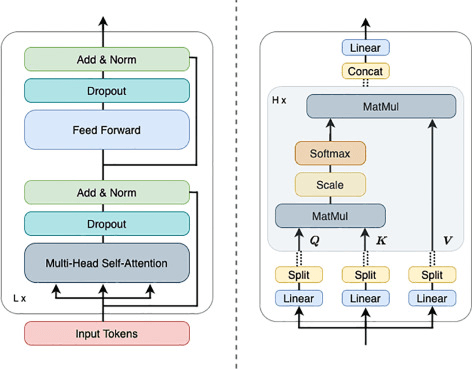







 Archie Evans