The Rise of Enterprise AI Development
In an era driven by data, automation, and digital transformation, Artificial Intelligence (AI) has emerged as a transformative force for businesses across the globe. Enterprises are increasingly turning to AI to gain a competitive edge, enhance customer experiences, streamline operations, and make data-driven decisions. This article explores the burgeoning field of Enterprise AI Development, highlighting its significance, key trends, and the myriad ways it’s reshaping industries.

I. Understanding Enterprise AI
Artificial Intelligence, often referred to as AI, is a broad field encompassing machine learning, natural language processing, computer vision, and other technologies that enable machines to mimic human intelligence. Enterprise AI Development, specifically, focuses on harnessing AI to meet the unique needs of businesses. It involves the creation and deployment of AI-powered solutions and systems to optimize various aspects of enterprise operations.
A. The AI Revolution in Enterprises
The past decade has witnessed a rapid acceleration in AI adoption across industries. What was once a niche technology has become a fundamental tool for modern enterprises. The driving forces behind this revolution are manifold:
1. Data Abundance
Enterprises are collecting vast amounts of data, often referred to as “big data.” AI can analyze this data to derive valuable insights, patterns, and trends that human analysts might miss.
2. Computing Power
The availability of powerful computing resources, especially in the cloud, has made it feasible for businesses to run complex AI algorithms and models efficiently.
3. Improved Algorithms
Advancements in machine learning algorithms have made AI more accurate and capable of handling a wide range of tasks.
4. Competitive Pressure
Businesses are under pressure to stay competitive, and many have recognized that AI can give them an edge in terms of efficiency, customer service, and innovation.
B. The Diverse Applications of Enterprise AI
Enterprise AI is not a one-size-fits-all solution; it’s a versatile toolkit with applications spanning various sectors. Some notable applications include:
1. Customer Service Chatbots
AI-powered chatbots are revolutionizing customer service by providing 24/7 support and resolving routine inquiries. They enhance customer satisfaction and reduce operational costs.
2. Predictive Analytics
Enterprises are using AI to predict customer behavior, market trends, and even equipment failures, enabling proactive decision-making.
3. Supply Chain Optimization
AI helps in optimizing inventory, logistics, and demand forecasting, reducing costs and ensuring smoother supply chain operations.
4. Personalized Marketing
By analyzing customer data, AI enables businesses to create highly targeted and personalized marketing campaigns, resulting in higher conversion rates.
5. Risk Management
In finance and insurance, AI is used to assess risk, detect fraud, and make real-time decisions to mitigate potential losses.
II. Benefits and Challenges
While the potential benefits of Enterprise AI are vast, so are the challenges. It’s essential to weigh the pros and cons before embarking on an AI journey.
A. Benefits
1. Efficiency Improvement
AI can automate repetitive tasks, allowing employees to focus on more strategic and creative aspects of their roles.
2. Data-Driven Decision Making
AI-driven insights provide a solid foundation for informed, data-driven decisions, reducing guesswork.
3. Enhanced Customer Experiences
AI enables personalized customer interactions, leading to improved customer satisfaction and loyalty.
4. Competitive Advantage
Early adopters of AI gain a competitive edge by being more innovative and responsive to market changes.
5. Cost Reduction
Through automation and optimization, AI can significantly reduce operational costs.
B. Challenges
1. Data Privacy and Security
AI systems require access to sensitive data, which raises concerns about data privacy and security breaches.
2. Algorithm Bias
If not carefully developed, AI algorithms can perpetuate bias, leading to fairness and ethical concerns.
3. Implementation Complexity
Integrating AI into existing systems can be complex and costly, often requiring a shift in organizational culture and processes.
4. Lack of Expertise
There is a shortage of AI talent, and businesses often struggle to find and retain skilled AI professionals.
5. ROI Uncertainty
Measuring the return on investment for AI projects can be challenging, especially in the early stages.
III. Key Trends in Enterprise AI Development
Enterprise AI is a dynamic field, continually evolving to meet the changing demands of businesses and technology. Several key trends are shaping the landscape:
A. Explainable AI (XAI)
As AI systems become more complex, there is a growing need for transparency. Explainable AI aims to make AI decisions more understandable and interpretable, crucial for applications in regulated industries like finance and healthcare.
B. AI Ethics and Responsible AI
Businesses are increasingly aware of the ethical implications of AI, including bias and fairness. Responsible AI principles are emerging to ensure that AI applications are developed and used ethically.
C. AI and Automation
AI is a driving force behind automation, from robotic process automation (RPA) to autonomous vehicles. This trend is poised to revolutionize industries and job roles.
D. AI Integration with Edge Computing
The integration of AI with edge computing devices is becoming more prevalent. This allows AI processing to happen closer to the data source, reducing latency and enabling real-time decision-making.
E. AI for Sustainability
AI is being used to tackle environmental and sustainability challenges, from optimizing energy usage to predicting and mitigating the effects of climate change.
IV. Industries at the Forefront of Enterprise AI
Enterprise AI development is making its mark across a wide spectrum of industries. Some sectors stand out as early adopters and innovators:
A. Healthcare
AI is used in diagnosing diseases, personalizing treatment plans, and managing patient data efficiently.
B. Finance
In the financial sector, AI powers fraud detection, algorithmic trading, and customer service chatbots.
C. Retail
Retailers employ AI for inventory management, demand forecasting, and personalized shopping experiences.
D. Manufacturing
AI-driven automation and predictive maintenance enhance production efficiency and reduce downtime.
E. Energy and Utilities
AI optimizes energy consumption, grid management, and predictive maintenance of infrastructure.
F. Transportation and Logistics
AI plays a significant role in autonomous vehicles, route optimization, and real-time tracking.
V. The Future of Enterprise AI Development
The future of Enterprise AI development is bright, with continued growth and innovation. As AI technology becomes more accessible and user-friendly, more businesses, including smaller enterprises, are expected to embrace AI. Here are some projections for the future:
A. Democratization of AI
The complexity of AI development is gradually reducing as tools and platforms become more user-friendly. This trend will democratize AI, making it accessible to a broader range of businesses.
B. AI-Powered Decision Support
AI will increasingly serve as a decision support tool, offering recommendations and insights to help business leaders make more informed choices.
C. AI Ecosystems
AI ecosystems will emerge, where various AI systems interact seamlessly, further enhancing automation and data-driven insights.
D. Ethical AI Takes Center Stage
As the ethical implications of
AI become more apparent, businesses will prioritize the development and use of responsible AI.
E. AI and Human Collaboration
AI will augment human capabilities, leading to more collaborative work environments where humans and AI systems work together to solve complex problems.
VI. Conclusion
The rise of Enterprise AI development is a defining feature of the digital age. As AI continues to evolve and permeate all aspects of business and society, understanding its benefits and challenges becomes crucial for organizations seeking to thrive in a data-driven world. By keeping an eye on emerging trends and staying committed to ethical AI practices, businesses can harness the power of AI to transform their operations, better serve their customers, and gain a competitive edge in an increasingly AI-powered world.
Choosing the Right AI Chatbot Development Company: A Comprehensive Guide
In an era where customer engagement and automation are paramount to business success, the adoption of AI-driven chatbots has skyrocketed. These chatbots are no longer just a novelty; they have become a critical tool for companies aiming to improve customer service, streamline processes, and enhance user experiences. Whether it’s a simple customer support chatbot or a sophisticated virtual assistant, the key to a successful implementation lies in selecting the right AI chatbot development company.
In this comprehensive guide, we will delve into the intricacies of choosing the perfect AI chatbot development partner. From the initial considerations to the final decision-making process, we will equip you with the knowledge needed to make an informed choice.
The Significance of AI Chatbots
Before we embark on the journey of selecting an AI chatbot development company, let’s first understand why AI chatbots have become indispensable in today’s business landscape.
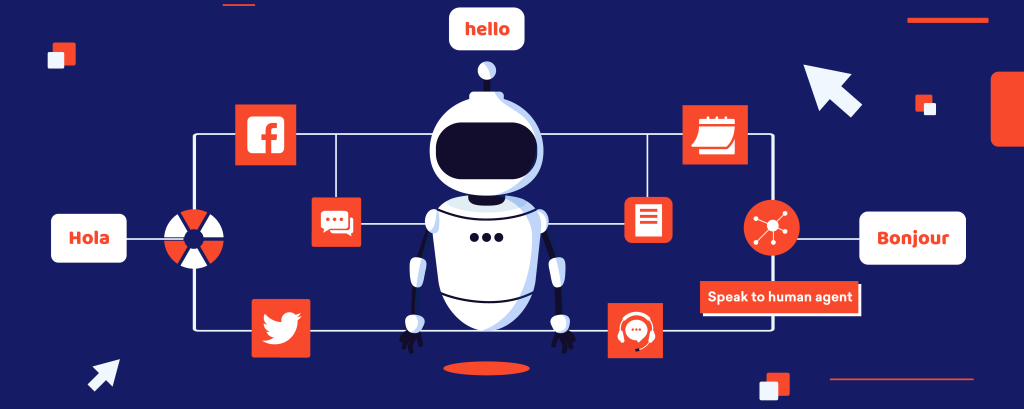
1. Enhanced Customer Support: AI chatbots are available 24/7, providing instant responses to customer queries, thus improving customer service and satisfaction.
2. Cost-Efficiency: By automating routine tasks and handling a large volume of inquiries, AI chatbots can significantly reduce operational costs.
3. Data-Driven Insights: Chatbots can gather valuable customer data, enabling businesses to make informed decisions and refine their services.
4. Scalability: As your business grows, AI chatbots can easily adapt to handle increased workloads without the need for proportional increases in staffing.
5. Multilingual Support: AI chatbots can communicate in multiple languages, making them ideal for global businesses.
Given these benefits, choosing the right AI chatbot development company becomes a critical decision.
Key Considerations When Choosing an AI Chatbot Development Company
To ensure the success of your AI chatbot project, you must carefully evaluate potential development partners. Here are the key considerations to keep in mind:
1. Expertise and Experience
When evaluating AI chatbot development companies, the first thing to look for is their expertise and experience in the field. How many AI chatbot projects have they completed? Do they have a portfolio of successful implementations? Are they up-to-date with the latest advancements in AI and NLP (Natural Language Processing)? An experienced partner is more likely to provide a robust and effective solution.
2. Customization Capabilities
Not all chatbots are created equal. Your business likely has unique requirements, and your chatbot should reflect that. A good development company should be able to tailor the chatbot’s functionalities, appearance, and integration to meet your specific needs.
3. Scalability and Flexibility
Your chatbot’s demands may change over time. It should be scalable and flexible to adapt to increased workloads or evolving business requirements. Your development partner should be capable of ensuring the chatbot’s smooth growth.
4. Data Security and Compliance
If your chatbot deals with sensitive customer data, data security is paramount. Ensure that the development company has robust data security measures in place and adheres to data protection regulations such as GDPR.
5. Integration Capabilities
Your chatbot needs to work seamlessly with your existing systems, whether it’s your website, CRM, or other platforms. The development company should have a track record of successful integrations.
6. User Experience (UX) and Design
A chatbot’s success also depends on its user-friendliness and design. It should provide a seamless and enjoyable experience for your customers. Consider whether the development company has UI/UX designers on board.
7. Natural Language Processing (NLP) Proficiency
NLP is at the heart of chatbot communication. The development company should demonstrate a strong command of NLP to ensure the chatbot understands and responds to user queries accurately and naturally.
8. Maintenance and Support
Once your chatbot is live, it will require ongoing maintenance and support. Ensure that the development company offers reliable post-launch services, including troubleshooting, updates, and improvements.
The Selection Process
Now that you have a clear understanding of what to look for, it’s time to outline the selection process:
1. Identify Your Needs: Begin by defining your specific requirements and objectives. What tasks do you want the chatbot to perform? What are your integration needs? This clarity will guide your search.
2. Research and Shortlist: Start by researching AI chatbot development companies. You can use online directories, referrals, or simply conduct web searches. Create a shortlist of potential partners based on the key considerations discussed earlier.
3. Request Proposals: Reach out to the shortlisted companies and request detailed proposals. These proposals should outline their approach to your project, estimated costs, and timelines.
4. Assess Proposals: Evaluate the proposals in terms of alignment with your requirements, budget, and timelines. Pay attention to how well the company understands your business needs.
5. Check References: Ask for references or case studies from previous clients. Contact these references to gain insights into their experience with the development company.
6. Interview Potential Partners: Arrange meetings or video conferences with the shortlisted companies. This will give you a chance to gauge their communication, understanding of your project, and overall professionalism.
7. Review Contracts: Once you’ve made your decision, thoroughly review the contract. Ensure that it includes all the details of the project, including milestones, deliverables, costs, and support agreements.
Selecting the right AI chatbot development company is a critical step in ensuring the success of your AI chatbot project. By carefully considering the factors mentioned in this guide and following a systematic selection process, you can significantly increase your chances of partnering with a company that will deliver a chatbot that meets your business objectives and customer needs. With the right development partner, your business can harness the power of AI chatbots to improve customer service, streamline operations, and stay competitive in today’s market.
Mastering MLOps: A Guide for Success
In today’s data-driven world, Machine Learning Operations, or MLOps, has become a critical discipline in the development and deployment of machine learning models. MLOps is the bridge that connects data science with operations, ensuring that the promising models created in the data science lab can be effectively deployed and managed in real-world applications. In this comprehensive guide, we will delve into the world of MLOps, its importance, best practices, and the tools and techniques that can help organizations master MLOps for success.

The Rise of MLOps
In recent years, machine learning has evolved from a niche technology into a mainstream business strategy. Enterprises across various industries are harnessing the power of AI and machine learning to gain insights, automate tasks, and make data-driven decisions. As a result, the demand for machine learning models has surged, and this has led to the need for a systematic approach to manage these models at scale.
What is MLOps?
MLOps is the practice of collaborating between data scientists, who build and train machine learning models, and IT operations teams, who are responsible for deploying and maintaining applications. It encompasses the entire machine learning lifecycle, from data preparation and model development to deployment, monitoring, and retraining. MLOps ensures that machine learning models are integrated seamlessly into an organization’s software infrastructure, allowing for continuous model improvement and optimization.
The Importance of MLOps
Effective MLOps practices are essential for several reasons:
1. Model Deployment and Management
Machine learning models developed in a controlled environment must be seamlessly deployed into production systems. MLOps provides a framework for doing so, ensuring that models are stable, scalable, and can handle real-world data.
2. Collaboration and Communication
MLOps promotes collaboration between data scientists and IT operations teams, breaking down silos that often exist between these two groups. This collaboration is crucial for successful model deployment and maintenance.
3. Model Monitoring and Optimization
Machine learning models are not static; they require constant monitoring and adjustment. MLOps provides mechanisms for monitoring model performance, detecting issues, and retraining models as needed.
4. Scalability
As the demand for machine learning models grows, the ability to scale model deployment becomes critical. MLOps helps organizations efficiently manage and scale their machine learning infrastructure.
5. Compliance and Security
MLOps also addresses compliance and security concerns. It ensures that data privacy and security standards are maintained throughout the machine learning lifecycle, reducing the risk of data breaches and compliance violations.
Best Practices in MLOps
To achieve success in MLOps, organizations should follow best practices that streamline the process and enhance the effectiveness of machine learning model deployment and management:
1. Automate Everything
Automation is a cornerstone of MLOps. Automate tasks such as data preprocessing, model training, and deployment. This not only saves time but also reduces the risk of human error.
2. Version Control
Use version control systems like Git to manage and track changes to your machine learning models and their associated code. This ensures reproducibility and traceability.
3. Continuous Integration and Continuous Deployment (CI/CD)
Implement CI/CD pipelines to automatically test and deploy models. This enables rapid iteration and ensures that only thoroughly tested models reach production.
4. Containerization
Use containerization technologies like Docker to package models and their dependencies into a consistent and portable format. Containers make it easy to deploy models across different environments.
5. Monitoring and Alerting
Implement robust monitoring and alerting systems to track model performance, detect anomalies, and trigger retraining or model updates when necessary.
6. Collaboration and Documentation
Encourage collaboration between data scientists and IT teams. Maintain comprehensive documentation for models, code, and processes to ensure knowledge sharing and transparency.
7. Security and Compliance
Prioritize security and compliance throughout the MLOps pipeline. Implement access controls, encryption, and auditing to protect sensitive data.
MLOps Tools and Technologies
Several tools and technologies are available to support MLOps initiatives:
1. Kubernetes
Kubernetes is an open-source container orchestration platform that helps manage the deployment and scaling of containerized applications, including machine learning models.
2. Docker
Docker is a popular platform for developing, shipping, and running applications inside containers, making it easier to manage and deploy machine learning models.
3. Apache Airflow
Airflow is an open-source platform designed for orchestrating complex computational workflows. It can be used for scheduling and automating machine learning pipelines.
4. MLflow
MLflow is an open-source platform for managing the end-to-end machine learning lifecycle. It includes components for tracking experiments, packaging code into reproducible runs, and managing models.
5. TensorFlow Serving
TensorFlow Serving is a library for serving machine learning models in production environments. It provides a flexible and efficient way to deploy models as microservices.
6. ModelDB
ModelDB is a system for managing machine learning models and their metadata. It helps track model versions, hyperparameters, and data sources.
Challenges in MLOps
While MLOps offers substantial benefits, it also presents some challenges that organizations must overcome:
1. Data Management
Data quality and availability can be a significant challenge. It’s crucial to have a well-defined data strategy and access to relevant data for training and testing.
2. Model Monitoring
Monitoring models in production can be complex, especially when dealing with large-scale systems. Detecting and addressing model drift and performance issues is an ongoing challenge.
3. Governance and Compliance
Ensuring that MLOps processes adhere to governance and compliance standards can be demanding, particularly in regulated industries.
4. Skill Gaps
There is often a gap in skills and expertise between data scientists and IT operations teams. Bridging this gap through training and collaboration is essential.
5. Scalability
As organizations scale their machine learning initiatives, managing the infrastructure and resources for MLOps becomes more complex. Scalability challenges may arise.
Case Studies: Real-World MLOps Success Stories
To illustrate the impact of MLOps, let’s explore a few real-world case studies where organizations have mastered MLOps to achieve significant results.
Case Study 1: Netflix
Netflix utilizes MLOps practices to personalize content recommendations for its subscribers. By continuously improving its recommendation algorithms and deploying them seamlessly, Netflix keeps its subscribers engaged and satisfied.
Case Study 2: Airbnb
Airbnb uses MLOps to enhance its search and discovery features. By deploying machine learning models to optimize search results and personalize recommendations, Airbnb has improved user experiences and increased bookings.
Case Study 3: Uber
Uber relies on MLOps to optimize its pricing models. By deploying machine learning models to adjust pricing dynamically based on demand and supply, Uber maximizes revenue and rider satisfaction.
The Future of MLOps
The field of MLOps is continuously evolving, and several trends are shaping its future:
1. Explainable AI
As regulations and ethical considerations gain importance, there is a growing need for models that are transparent and explainable. MLOps will need to incorporate tools for explaining model
predictions.
2. Federated Learning
Federated learning allows model training on decentralized data sources, preserving data privacy. MLOps will need to support this emerging approach to model development.
3. Integration with Cloud Services
Integration with cloud platforms and services will become more prevalent, simplifying the deployment and management of machine learning models.
4. Model Marketplace
The concept of model marketplaces, where pre-trained models can be bought and sold, is gaining traction. MLOps will need to accommodate this new model economy.
5. Edge Computing
Edge computing, where models are deployed closer to the data source, is on the rise. MLOps will need to adapt to the challenges of deploying and managing models in edge environments.
Conclusion
In a data-driven world, mastering MLOps Consulting Services is crucial for organizations looking to harness the full potential of machine learning. It ensures that the promising models created in the data science lab can be seamlessly deployed, monitored, and optimized in real-world applications. By following best practices, using the right tools and technologies, and addressing the challenges, organizations can achieve success in MLOps and stay ahead in the race to leverage the power of AI and machine learning. As MLOps continues to evolve, organizations that adapt and embrace these changes will be well-positioned for the future of AI and data-driven decision-making.
AI as a Service: Transforming Business Operations
In today’s rapidly evolving business landscape, staying competitive and innovative is no longer an option but a necessity. With the exponential growth of data and the increasing demand for intelligent solutions, businesses are turning to artificial intelligence (AI) to gain a competitive edge. However, developing and deploying AI solutions can be a complex and resource-intensive endeavor. This is where “AI as a Service” comes into play, revolutionizing the way businesses harness the power of AI to transform their operations. In this article, we will explore the concept of AI as a Service, its significance, benefits, and its impact on various industries.

The Rise of AI as a Service
Artificial intelligence has permeated nearly every sector of the business world, from healthcare and finance to retail and manufacturing. Companies are increasingly recognizing the potential of AI to enhance decision-making, automate processes, and deliver personalized customer experiences. However, the traditional approach to AI implementation involves substantial investments in infrastructure, expertise, and time.
AI as a Service offers a paradigm shift by making advanced AI capabilities accessible through the cloud. Much like Software as a Service (SaaS), where software applications are delivered over the internet, AI as a Service provides on-demand access to AI tools, platforms, and solutions. This approach eliminates many of the barriers that have historically hindered AI adoption in businesses.
The Key Components of AI as a Service
AI as a Service encompasses a range of components, each tailored to different business needs. Let’s explore the fundamental elements of AI as a Service:
1. AI Platforms
AI platforms are comprehensive solutions that provide tools and resources for developing, training, and deploying AI models. These platforms often include pre-built machine learning models, data analytics tools, and infrastructure for scalability.
2. AI APIs
Application Programming Interfaces (APIs) allow businesses to integrate AI capabilities into their existing software and applications. For example, AI APIs can enable natural language processing, image recognition, or speech-to-text conversion.
3. AI Models
AI as a Service providers may offer pre-trained AI models that are ready to use, saving businesses the time and effort required to develop models from scratch. These models can be fine-tuned to suit specific use cases.
4. AI Tools and Services
These are tools and services that simplify AI development and deployment, such as data labeling, model training, and automated machine learning (AutoML) platforms.
The Benefits of AI as a Service
The adoption of AI as a Service comes with a multitude of benefits for businesses, regardless of their size or industry. Here are some key advantages:
1. Cost Efficiency
Traditional AI development can be expensive, involving the procurement of specialized hardware and hiring data scientists and engineers. AI as a Service allows businesses to access AI capabilities without the upfront costs and ongoing maintenance expenses.
2. Speed to Market
AI as a Service accelerates the development process. Businesses can quickly implement AI solutions, reducing time-to-market for new products and services.
3. Scalability
AI as a Service providers offer scalable solutions. As business needs grow, AI resources can be easily expanded without significant infrastructure investments.
4. Access to Advanced AI Technologies
AI as a Service providers continuously update their offerings, giving businesses access to the latest AI technologies and innovations without the need for in-house expertise.
5. Flexibility
AI as a Service is flexible and can be tailored to specific business needs. Companies can choose the components and services that align with their objectives.
AI as a Service in Action
To understand how AI as a Service is transforming various industries, let’s explore a few real-world applications:
1. Healthcare
In the healthcare sector, AI as a Service is being used for medical imaging analysis, predictive analytics, and drug discovery. It allows healthcare providers to harness the power of AI without investing heavily in infrastructure and expertise.
2. E-commerce
E-commerce companies utilize AI as a Service to personalize recommendations, optimize supply chain management, and enhance the customer shopping experience. This results in increased sales and improved customer satisfaction.
3. Finance
Financial institutions rely on AI as a Service for risk assessment, fraud detection, and algorithmic trading. By leveraging AI capabilities, they can make more informed decisions and reduce operational risks.
4. Manufacturing
Manufacturers integrate AI as a Service to enhance production efficiency, quality control, and predictive maintenance. This results in reduced downtime and cost savings.
5. Customer Service
AI-powered chatbots, language translation services, and sentiment analysis are commonly used in customer service. AI as a Service enables businesses to provide better customer support, 24/7.
Choosing the Right AI as a Service Provider
Selecting the right AI as a Service provider is crucial to the success of any business venture. Here are some considerations when making this decision:
1. Service Offerings
Evaluate the range of services and components offered by the provider. Ensure they align with your business needs and goals.
2. Scalability
Consider how well the provider can scale its services to accommodate your business’s growth.
3. Data Security
AI as a Service involves the handling of sensitive data. Assess the provider’s data security and compliance measures to protect your information.
4. Customization
Determine whether the provider offers customization options to tailor the AI services to your specific requirements.
5. Support and Training
Check for available support and training resources. Adequate training can help your team make the most of AI capabilities.
Challenges and Considerations
While AI as a Service offers significant benefits, it’s not without its challenges and considerations:
1. Data Privacy and Security
The handling of sensitive data in the cloud can raise concerns about privacy and security. It’s essential to choose a provider with robust security measures in place.
2. Integration Complexity
Integrating AI services into existing systems may require changes to workflows and processes. Businesses must be prepared for potential integration challenges.
3. Vendor Lock-In
Migrating from one AI as a Service provider to another can be complex. Businesses should consider this when selecting a provider and plan for potential vendor lock-in.
4. Cost Management
While AI as a Service can be cost-effective, businesses should monitor usage to prevent unexpected costs associated with overuse or underutilization.
The Future of AI as a Service
The AI as a Service market is expected to continue its rapid growth as more businesses recognize the advantages of harnessing AI without extensive investments. Here are some trends and predictions for the future:
1. Specialized AI Services
Providers may develop more specialized AI services tailored to specific industries or use cases, such as AI for legal research or AI for autonomous vehicles.
2. Enhanced Personalization
AI as a Service will become more adept at delivering personalized experiences to end-users, leading to increased customer satisfaction.
3. Improved Interoperability
Providers will work on enhancing the interoperability of AI services, making it easier for businesses to integrate AI into their existing systems.
4. Ethical AI
With increasing scrutiny on AI ethics, providers may offer tools and services to help businesses ensure their AI applications are fair, transparent, and bias-free.
AI as a Service is transforming the business landscape by making advanced AI capabilities accessible to a wide range of organizations. The benefits are clear: cost efficiency, speed to market, scalability, flexibility, and access to cutting-edge technologies. As businesses continue to adopt AI as a Service, we can expect to see further innovations and improvements, ultimately leading to enhanced customer experiences, better decision-making, and increased competitiveness. To leverage the power of AI as a Service effectively, businesses should carefully select the right provider and consider the challenges and future trends in this dynamic field. In doing so, they can embark on a journey of digital transformation that will shape the future of their operations and success in a data-driven world.
Stable Diffusion Developers: Pushing the Limits of AI
In the ever-evolving landscape of artificial intelligence, developers and researchers continually seek to push the boundaries of what’s possible. One of the most exciting developments in recent years is the emergence of Stable Diffusion, a powerful technique that has the potential to revolutionize various AI applications. In this article, we’ll explore the world of Stable Diffusion developers and the remarkable impact they’re making on the field of AI.

Understanding Stable Diffusion
Before we delve into the work of Stable Diffusion developers, it’s essential to understand what Stable Diffusion is and why it’s generating so much interest.
What Is Stable Diffusion?
Stable Diffusion is a cutting-edge deep learning technique that falls under the umbrella of generative models. It builds upon the concept of Generative Adversarial Networks (GANs), which are instrumental in generating synthetic data. However, Stable Diffusion takes GANs to a whole new level by providing more stable training and improved sample quality.
Key Features of Stable Diffusion:
- Stability: Unlike traditional GANs, which are notorious for their training instability, Stable Diffusion introduces a sense of stability. This is achieved through careful design and architectural changes, making it easier for developers to train robust models.
- Improved Sample Quality: Stable Diffusion models produce high-quality synthetic data that can be used in a wide range of applications, including image generation, text generation, and more.
- Consistency: Stable Diffusion focuses on consistency in data generation, reducing the likelihood of mode collapse, a common problem in GANs.
- Controllable Sampling: Developers can control the quality and diversity of generated samples, making it a versatile tool for various AI applications.
The Pioneers of Stable Diffusion
Stable Diffusion, while relatively new, has already attracted the attention of AI researchers and developers worldwide. Let’s take a closer look at some of the pioneering individuals and organizations in this field.
1. Alex Nichol and Prafulla Dhariwal:
- These two researchers from OpenAI were among the first to introduce Stable Diffusion to the AI community. Their groundbreaking paper, “Stable Distributions through the Lens of Learning,” laid the foundation for many subsequent developments.
2. Research Institutions:
- Leading research institutions such as Stanford, MIT, and UC Berkeley have also played a crucial role in advancing Stable Diffusion techniques. Their contributions include research papers, open-source implementations, and collaborations with industry partners.
The Impact of Stable Diffusion in AI
Stable Diffusion has the potential to transform several AI applications. Let’s explore some of the key areas where this technique is making a significant impact.
1. Image Generation:
- One of the most notable applications of Stable Diffusion is in image generation. It has paved the way for the creation of highly realistic and diverse images, which are valuable in areas such as computer graphics, design, and entertainment.
2. Text Generation:
- Natural language processing and text generation benefit from Stable Diffusion. It enables the creation of coherent, contextually relevant text, which is used in chatbots, content generation, and automated writing.
3. Data Augmentation:
- In machine learning, having diverse and representative datasets is crucial. Stable Diffusion allows for data augmentation by generating synthetic data, thereby improving the performance of AI models.
4. Anomaly Detection:
- Stable Diffusion can be used for anomaly detection in various domains. By modeling normal data distributions, it becomes easier to identify unusual or suspicious data points.
5. Drug Discovery and Healthcare:
- The stability and consistency of Stable Diffusion models make them invaluable in drug discovery and healthcare research. These models assist in the generation of molecular structures, which is crucial for developing new medications.
Challenges Faced by Stable Diffusion Developers
While Stable Diffusion shows immense promise, it is not without its challenges. Developers and researchers are actively working to overcome these hurdles.
1. Computational Resources:
- Training Stable Diffusion models requires significant computational resources. As a result, many developers face challenges in terms of access to powerful hardware and cloud computing.
2. Algorithm Complexity:
- The complexity of Stable Diffusion algorithms can be a barrier for developers with limited experience in deep learning. Simplifying the process and creating user-friendly tools is an ongoing challenge.
3. Ethical Considerations:
- The power of Stable Diffusion in generating highly convincing fake data raises ethical concerns, particularly in the context of deepfakes and misinformation. Developers must consider the ethical implications of their work.
4. Generalization:
- Achieving models that generalize well across various domains and datasets is an ongoing challenge. Stable Diffusion developers are working to improve the adaptability of their models.
Future Directions and Possibilities
Stable Diffusion is still a relatively young field, and its future holds great promise. Let’s explore some of the potential future directions and possibilities.
1. AI-Enhanced Creativity:
- Stable Diffusion could enable AI systems to assist creative professionals in fields like art, music, and design, generating novel ideas and content.
2. Simulated Training Environments:
- In the realm of reinforcement learning, Stable Diffusion can help create highly realistic simulated training environments for AI agents, facilitating faster and more effective learning.
3. Interdisciplinary Collaborations:
- As Stable Diffusion techniques advance, interdisciplinary collaborations between AI researchers, artists, and scientists are likely to become more common, leading to innovative applications.
4. AI for Scientific Discovery:
- Stable Diffusion has the potential to accelerate scientific discovery by aiding in the generation of complex models and simulations used in research.
Stable Diffusion developers are at the forefront of AI innovation, pushing the boundaries of what’s possible in artificial intelligence. Their work has the potential to revolutionize multiple industries, from entertainment and design to healthcare and scientific research. As challenges are overcome and the technology matures, we can expect to see even more exciting developments in the field of Stable Diffusion. This is a journey that will continue to captivate the imagination of AI enthusiasts and researchers around the world.
Navigating the World of Machine Learning and Data Science Consulting
In the ever-evolving landscape of artificial intelligence, machine learning, and data science, businesses are constantly seeking innovative solutions to stay ahead of the competition. To harness the full potential of these cutting-edge technologies, many enterprises turn to machine learning and data science consulting services. In this final article of our series on Enterprise AI Development and related services, we will delve into the realm of machine learning and data science consulting, exploring their significance, trends, and the transformative impact they have on businesses today.
The Role of Machine Learning and Data Science Consulting
Machine learning and data science consulting are specialized services that provide businesses with the expertise, tools, and strategies needed to effectively leverage data for making informed decisions, driving innovation, and achieving their goals. These services are vital for several key reasons:
1. Unlocking Data’s Potential
Data is often referred to as the new oil, and for a good reason. It holds valuable insights that can be harnessed for improving operations, identifying trends, and making predictions. However, raw data is often vast and unstructured, and it requires expert analysis to extract meaningful information. Machine learning and data science consultants specialize in this process, helping organizations turn data into actionable knowledge.
2. Customized Solutions
Every business is unique, and their data needs and challenges differ. Machine learning and data science consultants work closely with their clients to understand their specific requirements and design customized solutions that align with their goals and industry demands.
3. Staying Competitive
In today’s data-driven world, staying competitive means harnessing the power of data and analytics. Machine learning and data science consultants equip businesses with the tools and knowledge to outperform competitors by making data-driven decisions, optimizing processes, and delivering innovative products and services.
Current Trends in Machine Learning and Data Science Consulting
As the technology landscape continues to evolve, so do the trends within machine learning and data science consulting. Keeping abreast of these trends is crucial for businesses seeking to maximize their potential. Here are some of the notable trends in this field:

1. Explainable AI (XAI)
Explainable AI is gaining prominence as companies seek to understand how AI models make decisions. Consultants are now focusing on creating machine learning models that provide transparent explanations for their decisions, which is particularly critical in sectors like healthcare, finance, and law.
2. AutoML and No-Code Solutions
AutoML (Automated Machine Learning) and no-code/low-code platforms are simplifying the development and deployment of machine learning models. These trends are democratizing AI by making it more accessible to businesses that may not have in-house data science expertise.
3. Edge Computing and IoT Integration
The convergence of edge computing and the Internet of Things (IoT) has created new opportunities for data analysis at the edge. Machine learning consultants are helping businesses leverage this trend for real-time analytics and decision-making, especially in industries like manufacturing and healthcare.
4. Ethical AI and Responsible Data Use
In an era of increased concern about data privacy and ethics, machine learning and data science consultants are emphasizing the importance of ethical AI development and responsible data usage. This includes compliance with regulations like GDPR and the development of ethical AI principles.
5. Augmented Analytics
Augmented analytics is an emerging trend that combines artificial intelligence and data analytics to provide automated insights. Consultants are incorporating augmented analytics into their offerings to enhance data-driven decision-making within organizations.
Real-World Applications
Machine learning and data science consulting services are not just theoretical concepts; they have tangible and practical applications across various industries. Here are a few real-world examples of how businesses are benefiting from these services:
1. Healthcare
Machine learning consultants assist healthcare providers in diagnosing diseases, predicting patient outcomes, and optimizing hospital operations. AI-driven image analysis and predictive modeling are revolutionizing patient care.
2. Finance
In the financial sector, consultants use machine learning to detect fraudulent transactions, predict stock market trends, and provide personalized investment recommendations. These applications lead to more secure financial systems and better-informed investment decisions.
3. E-commerce
Machine learning and data science consulting enable e-commerce businesses to personalize recommendations for customers, optimize supply chain logistics, and analyze customer sentiment to improve product offerings.
4. Manufacturing
Consultants help manufacturing companies implement predictive maintenance models that reduce machine downtime and improve production efficiency. They also enable quality control through image recognition and defect detection algorithms.
5. Marketing
Data science consultants in the marketing industry use customer data to create targeted advertising campaigns, measure campaign effectiveness, and optimize marketing budgets, resulting in improved ROI.
The Future of Machine Learning and Data Science Consulting
The future of machine learning and data science consulting looks promising, with continued growth and innovation on the horizon. Here are some predictions for the future of these services:
1. AI and Data Science Ecosystem Integration
Consulting services will increasingly focus on integrating AI and data science solutions seamlessly into existing business ecosystems. This will reduce friction in adoption and improve the effectiveness of AI-powered tools.
2. Human-AI Collaboration
As AI and data science become more prevalent, consultants will emphasize human-AI collaboration, ensuring that AI systems complement human decision-making rather than replace it entirely.
3. Industry-Specific Expertise
Consultants will develop deep expertise in specific industries, enabling them to provide highly specialized solutions tailored to the unique challenges and opportunities in each sector.
4. Ethical and Responsible AI
The ethical use of AI and data will remain a top priority, with consultants playing a significant role in helping businesses develop AI solutions that adhere to ethical guidelines and regulations.
In conclusion, machine learning and data science consulting services are instrumental in helping businesses unlock the full potential of their data. These services provide tailored solutions, keep businesses competitive, and empower them to make data-driven decisions. As trends continue to evolve and new applications emerge, the role of consultants in guiding businesses through this complex landscape becomes increasingly crucial. To stay ahead in the ever-changing world of AI and data, consider partnering with experts in machine learning and data science consulting.
 Archie Evans