Introduction
In recent years, the convergence of artificial intelligence (AI) and telemedicine has ushered in a new era in healthcare delivery. The seamless integration of these two technologies has the potential to revolutionize patient care, making it more efficient, accessible, and personalized. In this article, we will explore the impact of AI in telemedicine, examining how it is reshaping the landscape of healthcare.
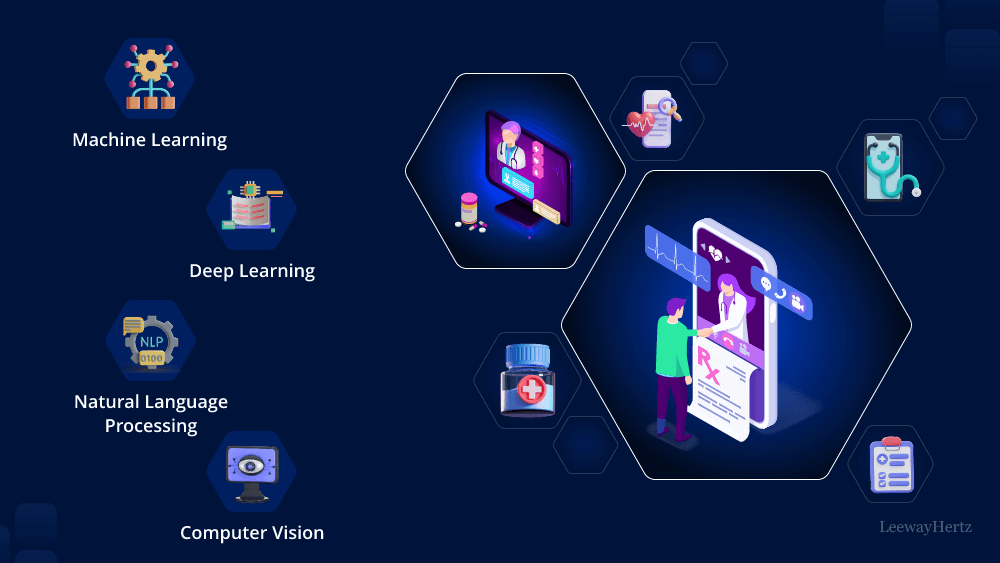
The Synergy of AI and Telemedicine
Defining AI in Telemedicine
AI in telemedicine refers to the application of artificial intelligence technologies in the field of telehealth. Telemedicine involves the remote delivery of healthcare services using telecommunications technology. AI enhances telemedicine by introducing intelligent algorithms and machine learning models that analyze vast amounts of data to provide valuable insights and support decision-making processes.
Key Advantages of AI for Telemedicine
- Enhanced Diagnostics: AI algorithms can analyze medical images, such as X-rays and MRIs, with remarkable accuracy. This capability aids healthcare professionals in diagnosing conditions swiftly and accurately, even in remote locations where access to specialists may be limited.
- Predictive Analytics: AI algorithms can predict disease progression and identify individuals at risk based on their health data. This proactive approach enables healthcare providers to intervene early, potentially preventing the development of serious conditions and improving patient outcomes.
- Personalized Treatment Plans: By analyzing patient data, AI can recommend personalized treatment plans based on an individual’s unique health profile. This tailored approach ensures that patients receive interventions that are specifically suited to their needs and characteristics.
Applications of AI in Telemedicine
Diagnostic Imaging
AI’s prowess in image analysis has significantly impacted diagnostic imaging. Radiology is a prime example, where AI algorithms can detect abnormalities in medical images, aiding radiologists in making more accurate and timely diagnoses. This is particularly beneficial in telemedicine scenarios where patients may not have immediate access to specialized imaging experts.
Virtual Health Assistants
AI-powered virtual health assistants are becoming increasingly common in telemedicine applications. These assistants can engage with patients, collect medical history, provide information about symptoms, and offer guidance on next steps. This not only enhances the patient experience but also streamlines the initial consultation process.
Remote Monitoring
AI plays a crucial role in remote patient monitoring by continuously analyzing data from wearable devices and other connected sensors. This allows healthcare providers to track vital signs, detect anomalies, and intervene promptly if necessary. For chronic disease management, such as diabetes or hypertension, AI-driven remote monitoring can significantly improve patient outcomes.
Challenges and Considerations
Data Security and Privacy
As AI in telemedicine relies heavily on the exchange and analysis of sensitive health data, ensuring robust data security and privacy measures is paramount. Health organizations must implement strong encryption, authentication, and access controls to safeguard patient information.
Regulatory Compliance
The integration of AI in healthcare raises questions about regulatory compliance. Striking a balance between innovation and adherence to existing regulations is essential to foster the responsible and ethical deployment of AI in telemedicine.
Technical Infrastructure
Implementing AI in telemedicine requires a robust technical infrastructure, including high-speed internet connectivity and reliable platforms for data exchange. Addressing these infrastructure challenges is crucial to ensure seamless and effective telehealth services.
Future Outlook: AI Driving Telemedicine Innovation
The synergy between AI and telemedicine is poised to drive ongoing innovation in healthcare. As technology continues to advance, we can anticipate further refinement of AI algorithms, expanded applications, and improved interoperability of telemedicine platforms. This evolution holds the promise of making healthcare more accessible, efficient, and patient-centric.
Conclusion
The integration of artificial intelligence in telemedicine represents a paradigm shift in the way healthcare is delivered. With the potential to enhance diagnostics, personalize treatment plans, and improve patient outcomes, AI in telemedicine is a powerful tool in the modern healthcare landscape. As technology continues to progress, it is imperative for healthcare stakeholders to embrace and navigate the evolving intersection of AI and telemedicine to unlock the full potential of these transformative technologies.





 Archie Evans